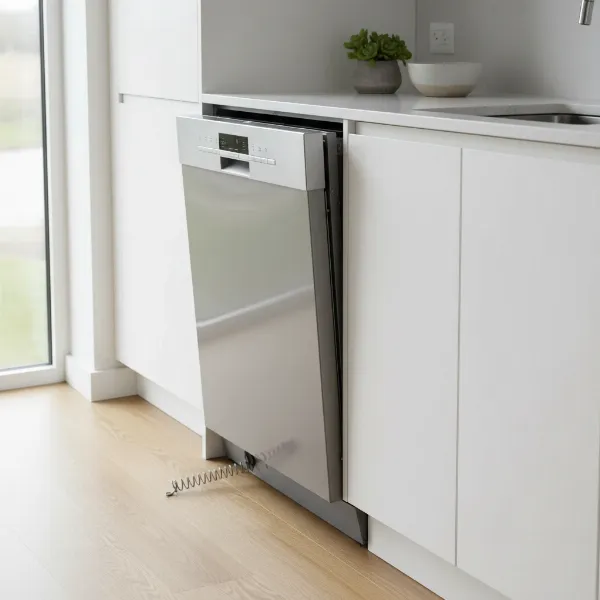
Has your dishwasher stopped delivering the sparkling dishes you expect? If you’re noticing stubborn food particles, a cloudy film, or even unpleasant odors, the culprit might be simpler than you think: a dirty dishwasher filter. This often-overlooked component is crucial for your appliance’s performance and hygiene. Neglecting it can lead to inefficient cleaning, foul smells, and even damage to your machine.
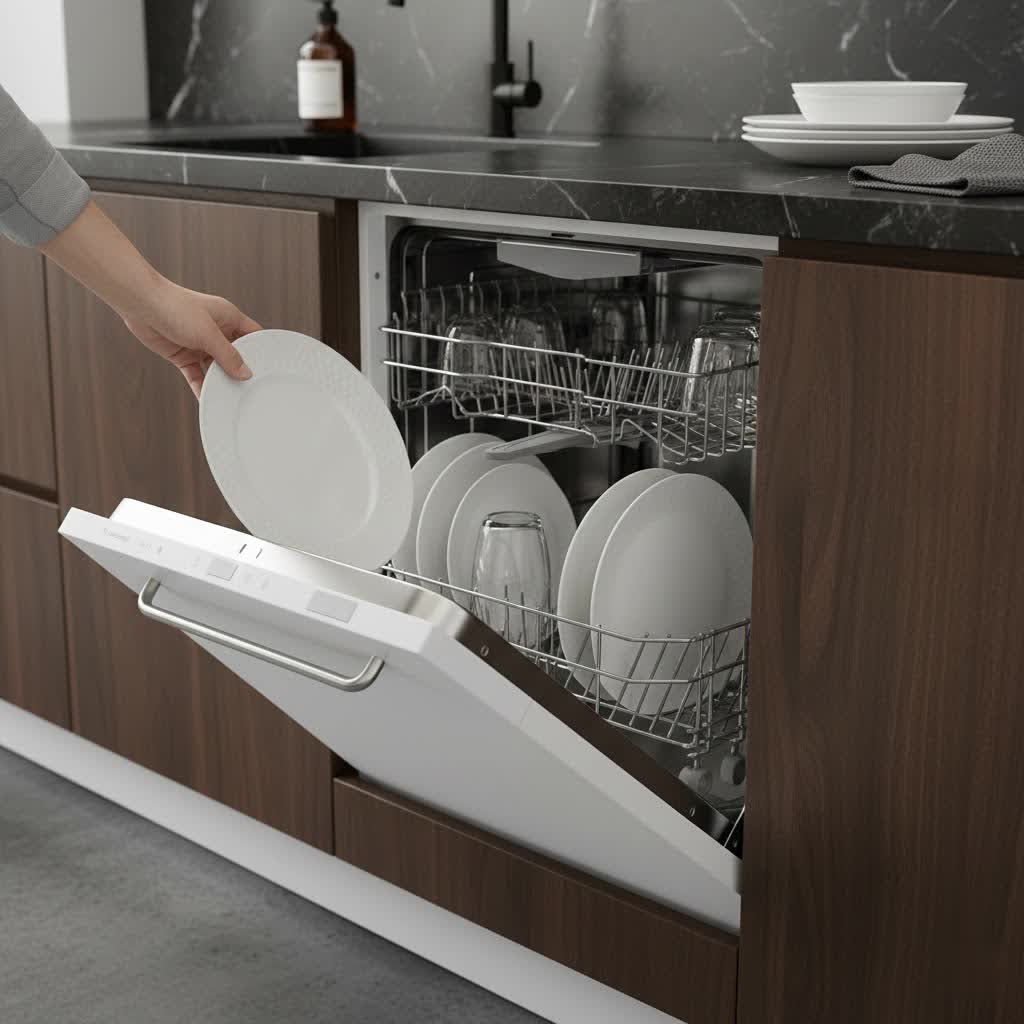
Fortunately, cleaning your dishwasher filter is a quick and straightforward task that requires minimal effort and basic household items. By dedicating just a few minutes, you can significantly improve your dishwasher’s effectiveness, extend its lifespan, and ensure your dishes emerge spotless and fresh every time. Let’s dive into the essential steps to bring back your dishwasher’s best performance.
Why a Clean Dishwasher Filter Matters for Sparkling Dishes
|
Our Picks for the Best Dishwasher in 2026
As an Amazon Associate I earn from qualifying purchases.
|
||
| Num | Product | Action |
|---|---|---|
| 1 | Honeywell 18 Inch Dishwasher with 8 Place settings, 6 Washing Programs, Stainless Steel Tub, UL/Energy Star- Black |

|
| 2 | Cascade Complete Dishwasher Detergent Liquid Gel, Dish Detergent, Dishwasher Soap, Citrus, 75oz |
|
| 3 | Kenmore 24" Premium Hybrid Tub Dishwasher - UltraWash, MoreSpace Adjustable Rack, High Temp & SmartWash - 12 Place Settings - 54 DBA - ENERGY STAR Certified - Fingerprint Resistant Stainless Steel |
|
| 4 | Sharp SDW6504MS Stainless Steel Dishwasher, 24-inch Pocket Handle, 52 dB, Hybrid Tub, 12 Place Settings, 5 Cycles, Heated Dry |
|
| 5 | BLUELAND 100% Plastic-Free Dishwasher Detergent Tablets, 60 Count, Free & Clear, Eco-Friendly Dishwashing Pods, Natural, USDA Certified biobased |
|
| 6 | COMFEE’ Portable Mini Dishwasher, Energy Star, Countertop, 6 Place Settings, with 8 Washing Programs, Speed, Baby-Care, ECO& Glass, Dish Washer for Dorm, RV& Apartment, White |
|
| 7 | EUHOMY Countertop Dishwasher Portable with 6 Programs, 5L Built-in Water Tank for Apartments & RV, 167℉ High-Temp, No Hookup Needed, Mini Dishwasher with Baby Care, Air Dry/Quick/ECO/Fruit/Normal Mode |
|
| 8 | Cascade Platinum Plus Dishwasher Pods, Dish Detergent Soap, Clean Scent, 62 Count |
|
| 9 | Cascade Complete Dishwasher Pods - Fresh Scent ActionPacs, Dishwasher Detergent, Dishwasher Soap, Detergent Pods, 78 Count |
|
| 10 | COMFEE’ Countertop Dishwasher, Energy Star Portable Dishwasher, 6 Place Settings & 8 Washing Programs, Speed, Baby-Care, ECO& Glass, Dish Washer for Dorm, RV& Apartment, Black |
|
Your dishwasher’s filter acts as its unsung hero, diligently trapping food particles and debris to prevent them from recirculating onto your supposedly clean dishes. Without this crucial barrier, leftover food bits, grease, and other residues would be redeposited, leaving your plates gritty and glasses cloudy. Beyond mere aesthetics, a clean filter is vital for the overall health of your appliance. It protects the dishwasher’s pump from potential damage caused by larger debris and ensures proper water circulation throughout the wash cycle, which is essential for effective cleaning.
When the filter becomes clogged with accumulated grime, its efficiency plummets. You might observe several tell-tale signs: dishes emerging with visible food remnants, a lingering unpleasant odor when you open the dishwasher door, or even standing water at the bottom of the tub due to poor drainage. Addressing these issues by cleaning the filter is a proactive step that maintains hygiene, enhances cleaning performance, and helps avoid costly repairs down the line.
What You’ll Need for the Task
Gathering your supplies beforehand will make the filter cleaning process even smoother. You likely already have everything you need right in your kitchen.
- Warm Water: Essential for rinsing and soaking.
- Dish Soap: A few drops of mild dishwashing liquid, especially one with degreasing properties, can help break down stubborn grease and food residue.
- Soft Brush: An old toothbrush, a small bottle brush, or a soft-bristled cleaning brush is perfect for gently scrubbing away stuck-on grime without damaging the filter mesh.
- Sink or Bowl: For rinsing and soaking the filter.
- Microfiber Cloth (Optional): For wiping down the filter housing and drying the filter before reinstallation.
How to Clean Your Dishwasher Filter in 5 Easy Steps
Ready to restore your dishwasher to its peak performance? Follow these simple steps for a thorough and effective filter cleaning.
Step 1: Empty and Access Your Dishwasher
First things first, ensure your dishwasher is completely empty. Remove all dishes, cutlery, and, most importantly, the bottom rack. Carefully roll out the lower rack and set it aside to gain unobstructed access to the bottom of the dishwasher tub where the filter is located. A clear workspace is key to easily spotting and removing the filter.
Step 2: Locate and Gently Remove the Filter
Dishwasher filters are typically found at the base of the wash tub, often beneath the lower spray arm. Most modern dishwashers feature a manual filter, which usually looks like a cylindrical mesh screen. Some models may have a two-part filter system: an upper cylindrical filter assembly and a flat lower filter underneath.
To remove, gently twist the upper cylindrical filter counter-clockwise (or as indicated by arrows on the filter itself) until it unlocks and can be lifted out. If there’s a flat lower filter, carefully lift it out as well. Handle all components with care to avoid any damage.
Step 3: Initial Rinse Under Warm Water
Once removed, take your filter components to the sink. Begin by rinsing them thoroughly under a strong stream of warm running water. This initial rinse will help dislodge and wash away any loose food particles, crumbs, and easily removable debris. You might be surprised by how much gunk comes off even with just water!
Step 4: Deep Clean with Soap and a Soft Brush
For any stubborn food residue, grease, or hard water deposits that the initial rinse couldn’t remove, it’s time for a deeper clean. Fill a bowl or your sink with warm water and add a few drops of dish soap. Place the filter components in the soapy water and let them soak for about 10-15 minutes. This helps to loosen tough grime.
After soaking, use your soft brush (an old toothbrush works wonders) to gently scrub the mesh and plastic parts of the filter. Pay close attention to any crevices or areas where food might be caked on. Always use a soft brush; never use wire brushes or abrasive scouring pads, as these can damage the delicate mesh of the filter. Rinse the filter again under warm water until all soap residue and debris are completely gone and the water runs clear.
Step 5: Secure Reinstallation
With your filter sparkling clean, it’s time to put everything back together. If your dishwasher has a two-part filter, gently place the flat lower filter back into its position first. Then, insert the cylindrical upper filter assembly into the circular opening, aligning any tabs or arrows. Twist it clockwise until you feel it drop and lock securely into place. It’s crucial that the filter is firmly seated and locked to prevent it from coming loose during a wash cycle, which could damage your dishwasher. Once the filter is secure, replace the bottom dish rack.
How Often Should You Clean Your Dishwasher Filter?
The frequency of cleaning your dishwasher filter largely depends on your usage habits. For most households with manual-clean filters, a good rule of thumb is to clean it at least once a month. If you run your dishwasher frequently, typically multiple times a day, or often wash dishes with a lot of heavy, sticky food residue (like pasta, rice, or oatmeal), you might need to clean it every two weeks.
Pay attention to the signs your dishwasher gives you. If you start to notice food particles on your “clean” dishes, unpleasant odors emanating from the machine, or water not draining properly, it’s a clear signal that your filter needs immediate attention, regardless of your last cleaning date. Regular visual checks can also help you determine if it’s time for a refresh.
Beyond the Filter: Essential Dishwasher Maintenance Tips
While a clean filter is paramount, incorporating a few other habits can further optimize your dishwasher’s performance and longevity:
- Pre-Scrape Dishes: While modern dishwashers are designed to handle some food debris, it’s always a good practice to scrape off large food particles before loading dishes. This prevents excessive build-up in the filter and extends its cleanliness.
- Run Monthly Cleaning Cycles: Even with a clean filter, internal components can accumulate grease and mineral deposits. Once a month, run an empty hot water cycle with two cups of distilled white vinegar placed in an open, dishwasher-safe container on the top rack. This helps to descale and degrease the interior.
- Consult Your Owner’s Manual: Every dishwasher model is unique. Your appliance’s owner’s manual contains specific instructions for filter removal, cleaning, and reinstallation, as well as recommendations for care tailored to your machine.
Conclusion
Maintaining a clean dishwasher filter is a small task with significant benefits. By following these five easy steps, you not only ensure your dishes come out sparkling clean every time but also prevent unpleasant odors, prolong the life of your appliance, and improve its overall efficiency. Making filter cleaning a regular part of your kitchen maintenance routine will keep your dishwasher running smoothly and efficiently for years to come.
So, when was the last time you gave your dishwasher filter some attention?