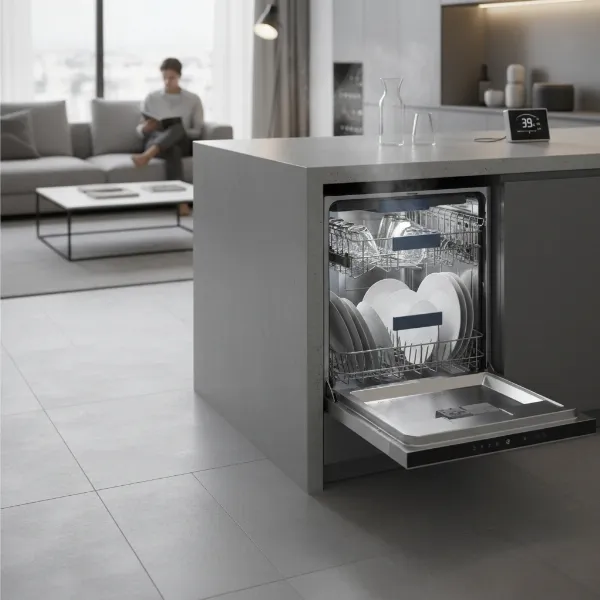
Few household frustrations match the sight of a murky puddle of stagnant water at the bottom of your dishwasher after a cycle. It signals a problem, leaving you with a sink full of dirty dishes and an unexpected chore. Understanding why your dishwasher isn’t draining is the first step toward a clean kitchen and peace of mind. This comprehensive guide will illuminate the common culprits behind drainage failures, provide clear, step-by-step troubleshooting methods you can tackle yourself, and share essential preventative maintenance tips to keep your appliance running smoothly.
Understanding Your Dishwasher’s Drainage System
|
Our Picks for the Best Dishwasher in 2026
As an Amazon Associate I earn from qualifying purchases.
|
||
| Num | Product | Action |
|---|---|---|
| 1 | Cascade Complete Dishwasher Pods - Fresh Scent ActionPacs, Dishwasher Detergent, Dishwasher Soap, Detergent Pods, 78 Count |

|
| 2 | BLUELAND 100% Plastic-Free Dishwasher Detergent Tablets, 60 Count, Free & Clear, Eco-Friendly Dishwashing Pods, Natural, USDA Certified biobased |
|
| 3 | COMFEE’ Countertop Dishwasher, Energy Star Portable Dishwasher, 6 Place Settings & 8 Washing Programs, Speed, Baby-Care, ECO& Glass, Dish Washer for Dorm, RV& Apartment, Black |
|
| 4 | Kenmore 24" Premium Hybrid Tub Dishwasher - UltraWash, MoreSpace Adjustable Rack, High Temp & SmartWash - 12 Place Settings - 54 DBA - ENERGY STAR Certified - Fingerprint Resistant Stainless Steel |
|
| 5 | COMFEE’ Portable Mini Dishwasher, Energy Star, Countertop, 6 Place Settings, with 8 Washing Programs, Speed, Baby-Care, ECO& Glass, Dish Washer for Dorm, RV& Apartment, White |
|
| 6 | Cascade Complete Dishwasher Detergent Liquid Gel, Dish Detergent, Dishwasher Soap, Citrus, 75oz |
|
| 7 | Sharp SDW6504MS Stainless Steel Dishwasher, 24-inch Pocket Handle, 52 dB, Hybrid Tub, 12 Place Settings, 5 Cycles, Heated Dry |
|
| 8 | EUHOMY Countertop Dishwasher Portable with 6 Programs, 5L Built-in Water Tank for Apartments & RV, 167℉ High-Temp, No Hookup Needed, Mini Dishwasher with Baby Care, Air Dry/Quick/ECO/Fruit/Normal Mode |
|
| 9 | Honeywell 18 Inch Dishwasher with 8 Place settings, 6 Washing Programs, Stainless Steel Tub, UL/Energy Star- Black |
|
| 10 | Cascade Platinum Plus Dishwasher Pods, Dish Detergent Soap, Clean Scent, 62 Count |
|
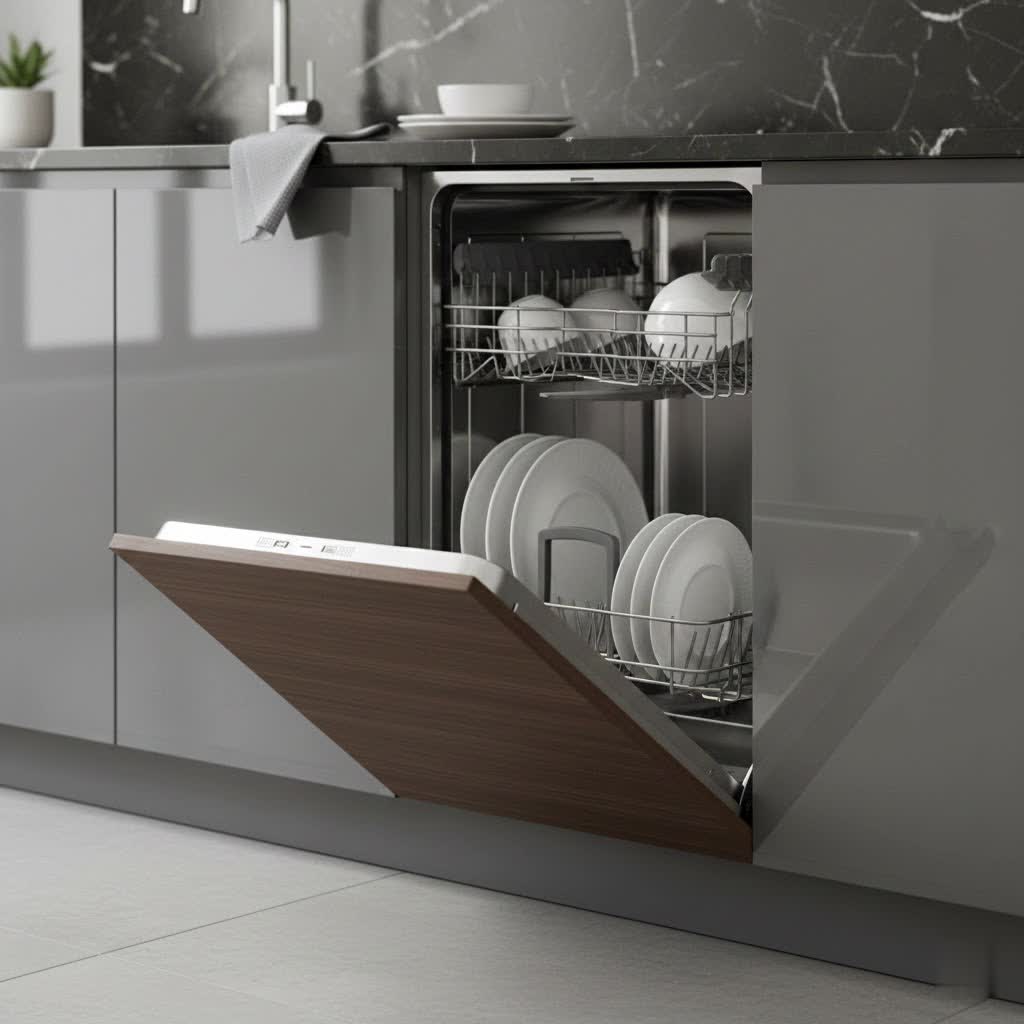
Before diving into fixes, it helps to grasp how your dishwasher normally drains. During a wash cycle, water fills the tub, circulates to clean dishes, and then, aided by a drain pump, exits the machine through a drain hose. This hose typically connects to your kitchen sink’s plumbing, either directly to a drain pipe or to a garbage disposal unit. Crucially, many installations include a “high loop” in the drain hose or an “air gap” device mounted on your sink. These components prevent dirty water from flowing back into the dishwasher and safeguard against sewer gases entering the appliance, ensuring a hygienic and efficient operation.
Common Reasons Your Dishwasher Isn’t Draining
When your dishwasher fails to drain, the issue often stems from one of several common problems, ranging from simple clogs to more complex mechanical failures. Identifying the root cause is key to finding the right solution.
Clogged Drain Filter
The most frequent culprit is a dirty or clogged drain filter. Located at the bottom of the dishwasher tub, this mesh basket catches food particles and debris, preventing them from recirculating or clogging the drain pump. Over time, accumulated food scraps, labels, or even small pieces of broken glass can completely block this filter, impeding water flow and leading to standing water.
Blocked or Kinked Drain Hose
The drain hose, which carries wastewater away from the dishwasher, is susceptible to kinks or internal blockages. If the hose gets twisted during installation or from shifting the appliance, it can restrict water flow. Furthermore, grease, food particles, or mineral deposits can build up inside the hose itself, creating obstructions that prevent proper drainage. An improperly installed drain hose without a crucial high loop can also lead to drainage issues, as water may siphon back into the dishwasher.
Issues with the Air Gap
In some regions, an air gap cylinder is a required plumbing component, typically found on the sink deck. This device prevents drain water from backing up into the dishwasher by regulating airflow. However, if the air gap becomes clogged with grease or other debris, it can impede the drainage process and cause water to pool in your dishwasher.
Garbage Disposal Problems
Many dishwashers connect directly to a garbage disposal unit. If the disposal is clogged or wasn’t properly installed, it can prevent your dishwasher from draining. A common oversight after installing a new garbage disposal is forgetting to remove the “knock-out plug” from the dishwasher connection port, which will completely block drainage.
Obstructions in the Drain Pump
The drain pump is responsible for forcibly expelling water from the dishwasher. If large food particles, broken glass, or even a small utensil bypass the filter, they can get lodged in the pump’s impeller. This obstruction prevents the pump from spinning freely and effectively removing water from the tub.
A Faulty Drain Pump
While less common than clogs, a malfunctioning drain pump can also be the reason for drainage failure. This could be due to a mechanical issue, such as a worn motor or impeller, or an electrical problem preventing the pump from receiving power. If the pump makes unusual noises or no sound at all when it should be draining, it might be faulty.
Using the Wrong Detergent
Using dish soap or excessive amounts of non-dishwasher detergent can create an abundance of suds. These suds can overwhelm the dishwasher’s system, preventing the drain pump from effectively moving water and leading to drainage problems, often leaving a soapy residue behind.
Old Plumbing and Pipes
In older homes, the overall kitchen plumbing system might be contributing to the problem. Old, corroded, or heavily scaled pipes can restrict water flow, causing slow drainage or backups that affect not only your sink but also your connected dishwasher.
Step-by-Step Troubleshooting Guide: DIY Fixes
Before calling a professional, you can often resolve dishwasher drainage issues with a few simple DIY steps. Always prioritize safety first.
Safety First: Before attempting any repairs, always disconnect power to your dishwasher by unplugging it or flipping the circuit breaker. This prevents accidental shocks or injury.
-
Remove Standing Water: If there’s standing water in the bottom of your dishwasher, manually remove it. Use a cup to scoop out as much water as possible, then use towels or a wet/dry shop vacuum to clear the rest. This allows you to safely access the filter and pump area.
-
Run Your Garbage Disposal (If Applicable): If your dishwasher drains into a garbage disposal, run the disposal for about 30 seconds with cold water. Ensure it’s completely clear of food waste. Sometimes, a clogged disposal is the sole reason for your dishwasher’s drainage woes. If a new disposal was recently installed, double-check that the knock-out plug has been removed from the dishwasher inlet.
-
Check and Clean the Drain Filter: This is often the quickest fix.
- Locate the filter, usually found in the center of the bottom of the dishwasher tub. Consult your owner’s manual for exact instructions on removal, as designs vary.
- Twist or unclip the filter and lift it out.
- Rinse the filter thoroughly under running water, scrubbing away any food particles, grease, or debris with a brush.
- Reinstall the clean filter securely.
-
Inspect the Drain Hose:
- Pull the dishwasher out slightly if necessary, or look under the sink.
- Examine the drain hose (a corrugated plastic hose) for any visible kinks or sharp bends. Straighten any you find.
- Verify that the drain hose forms a “high loop” (a section that rises above the connection point to the sink or disposal) or connects to an air gap. This prevents backflow. If it doesn’t have one, consider installing a high loop kit.
- If you suspect an internal clog, you might need to disconnect the hose (after turning off the water supply to the sink) and manually clear it. Be prepared for some residual water.
-
Clear the Air Gap (If Applicable):
- The air gap is usually a small, cylindrical fitting on your sink deck near the faucet.
- Remove the decorative cap and then the inner plastic cap.
- Inspect for any visible debris or sludge. Use a small brush, paper clip, or tweezers to clear any obstructions.
- Run water in your sink for a moment to flush it, then replace the caps.
-
Examine the Drain Pump Area: This step requires more caution and possibly tools.
- Once the water is removed and the filter is clean, you might be able to see the drain pump impeller at the bottom of the tub.
- Carefully use a flashlight to look for any obstructions like broken glass, labels, or small food particles.
- If you can safely reach an obstruction with pliers or a small tool, remove it. Never put your bare hand into the pump area unless you are absolutely certain the power is disconnected and there are no sharp objects.
- If you can’t see or reach the obstruction, or if it appears the pump itself is damaged, it’s best to stop and consider professional help.
-
Run a Cleaning Cycle with Vinegar: After clearing any visible clogs, run an empty cycle with a cup of white vinegar placed in a bowl on the upper rack. Vinegar helps dissolve any remaining grease, detergent buildup, or mineral deposits that might be contributing to slow drainage.
When to Call a Professional
While many drainage issues are simple to fix, some problems require the expertise of a qualified appliance technician. You should consider calling a professional if:
- You’ve tried all the DIY troubleshooting steps, and your dishwasher still won’t drain.
- You hear the drain pump motor humming but no water is moving, suggesting a locked impeller or a faulty pump.
- The dishwasher displays error codes related to drainage, which often indicate internal component failure.
- You suspect an electrical issue or a completely failed drain pump.
- The problem appears to be deeper within your home’s plumbing system, such as consistently slow draining in your sink that accompanies the dishwasher issue.
- You are uncomfortable or unsure about any step in the troubleshooting process. A faulty DIY repair can lead to more expensive damage.
Preventative Measures for a Smooth-Running Dishwasher
Regular maintenance is your best defense against drainage problems, saving you time, frustration, and potential repair costs.
- Scrape Plates Thoroughly: Always scrape large food particles off plates before loading them into the dishwasher. While some dishwashers have hard food disposers, it’s still best practice to minimize debris to prevent filter and pump clogs.
- Regular Filter Cleaning: Make it a habit to clean your dishwasher filter at least once a month, or more frequently if you use your dishwasher often or pre-rinse less. This simple act can prevent the most common cause of drainage issues.
- Use Proper Detergent: Always use detergent specifically designed for dishwashers and follow the manufacturer’s recommendations for quantity. Avoid using regular dish soap, as it creates excessive suds that hinder drainage.
- Ensure Proper Loading: Overloading the dishwasher can block spray arms and prevent proper water circulation and drainage. Leave enough space for water to move freely.
- Run Hot Water in Sink: Before starting a dishwasher cycle, run the hot water in your kitchen sink for a minute. This ensures hot water is already in the pipes, helping to dissolve grease and improve overall drainage.
- Annual Professional Maintenance: Consider scheduling annual professional maintenance for your dishwasher. Technicians can inspect the drain pump, clean internal filters, and test electronic components, identifying and fixing potential issues before they escalate.
“Many dishwasher drainage problems are avoidable with consistent, simple maintenance. Cleaning your filter and scraping plates are small habits that yield big returns in appliance longevity and performance.” – Jane Doe, Appliance Repair Specialist
Conclusion
A dishwasher that refuses to drain is a clear inconvenience, but it doesn’t always spell disaster. By understanding the common reasons behind these issues—from clogged filters and kinked hoses to air gap obstructions and garbage disposal woes—you’re empowered to troubleshoot many problems yourself. Taking proactive steps, like regularly cleaning your filter, scraping food debris, and ensuring proper detergent use, can significantly extend your dishwasher’s lifespan and prevent future drainage headaches. If your efforts don’t resolve the issue, remember that a qualified professional is just a call away to diagnose and repair more complex problems. With a little attention, you can keep your dishwasher, and your dishes, sparkling clean.
What preventative measures have you found most effective in maintaining your dishwasher’s drainage?
Frequently Asked Questions
Why is there standing water in the bottom of my dishwasher?
Standing water after a cycle typically indicates a clog or blockage within the dishwasher’s drainage system. Common culprits include a dirty filter, a kinked drain hose, a clogged air gap, or an issue with your garbage disposal unit. Addressing these blockages is usually the first step to resolving the problem.
How do I manually drain my dishwasher?
To manually drain a dishwasher, first, disconnect its power. Then, use a cup or small container to scoop out as much standing water as possible from the tub. For residual water, a wet/dry shop vacuum works effectively. After removing the water, you can safely inspect and clean the drain filter and pump area.
Can a clogged garbage disposal prevent my dishwasher from draining?
Yes, a clogged garbage disposal can definitely prevent your dishwasher from draining properly. Dishwashers often connect to the disposal, and if the disposal unit itself is blocked, water cannot exit the dishwasher. Running the disposal to clear any waste often resolves this specific drainage issue.
What does a dishwasher air gap do, and how do I clean it?
A dishwasher air gap prevents dirty water from siphoning back into the dishwasher and blocks sewer gases. To clean it, remove the decorative cap and the inner plastic cap on your sink’s deck. Inspect for and remove any grease or debris with tweezers or a small brush, then replace the caps securely.
How often should I clean my dishwasher filter?
You should aim to clean your dishwasher filter at least once a month, or more frequently if you notice standing water, food particles on dishes, or if you don’t pre-rinse your dishes much. Regular cleaning prevents food debris from building up and causing drainage problems.