Have you ever unloaded your dishwasher only to find stubborn food particles still clinging to your “clean” dishes? It’s a frustrating experience that many of us face, often leading to rewashing items by hand. The truth is, even the most advanced dishwasher can’t perform its best if loaded incorrectly. Mastering the art of dishwasher loading isn’t just about fitting everything in; it’s about strategically arranging items to ensure every surface receives optimal water circulation and detergent action. This comprehensive guide will transform your dishwashing routine, helping you achieve sparkling clean dishes with every cycle, save water and energy, and even extend the life of your appliance.
Understanding Your Dishwasher’s Anatomy
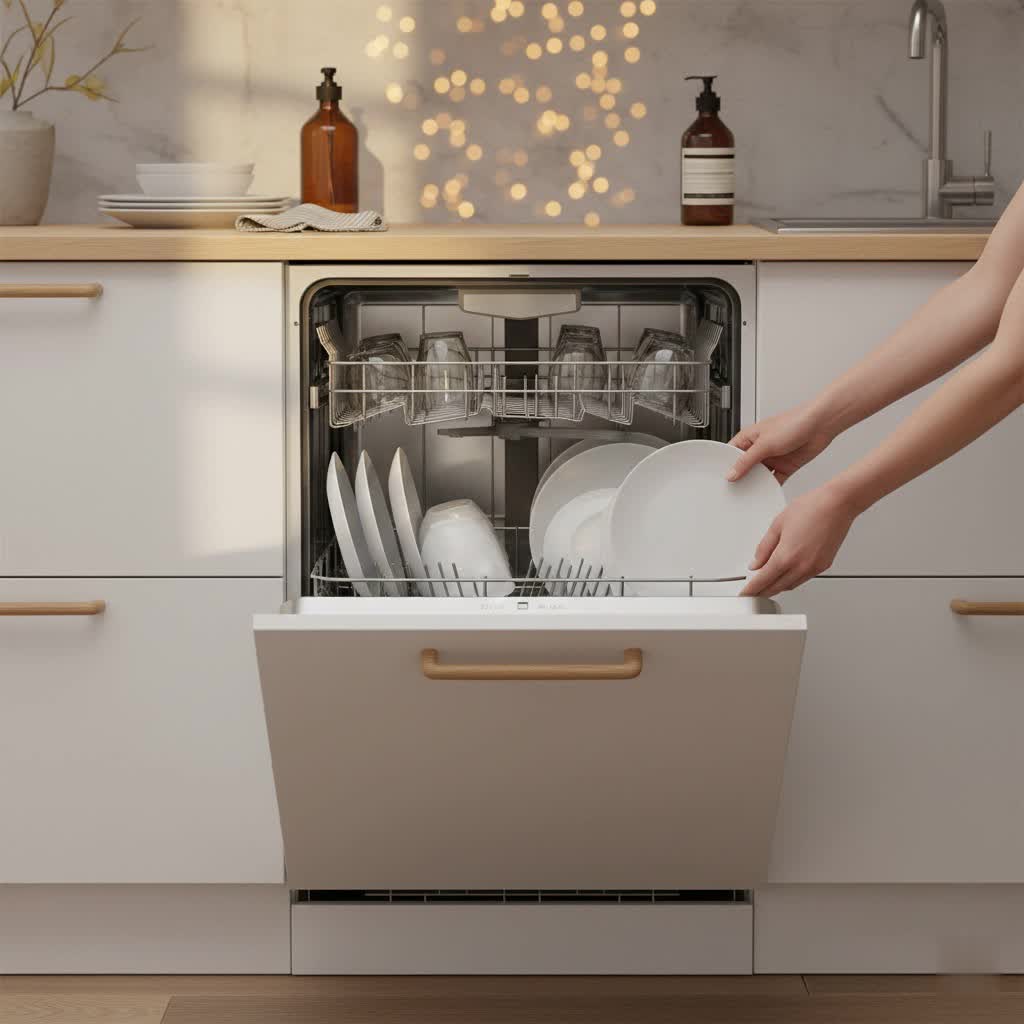
Before diving into loading techniques, it’s helpful to understand the basic components of your dishwasher. Most models feature upper and lower racks, which are designed for different types of dishes. Rotating spray arms, typically located beneath each rack, are responsible for jetting hot water and detergent onto your dishes. The detergent dispenser releases cleaning agents at the appropriate time in the cycle. Knowing how these parts work together is crucial for effective loading, as blocked spray arms or an obstructed detergent dispenser can significantly hinder cleaning performance.
The Golden Rules of Dishwasher Loading
Achieving a spotless clean starts with a few fundamental principles that apply to almost any dishwasher model. Adhering to these rules will ensure your appliance operates at its peak efficiency.
Scrape, Don’t Rinse
|
Our Picks for the Best Dishwasher in 2026
As an Amazon Associate I earn from qualifying purchases.
|
||
| Num | Product | Action |
|---|---|---|
| 1 | Honeywell 18 Inch Dishwasher with 8 Place settings, 6 Washing Programs, Stainless Steel Tub, UL/Energy Star- Black |

|
| 2 | Cascade Complete Dishwasher Detergent Liquid Gel, Dish Detergent, Dishwasher Soap, Citrus, 75oz |
|
| 3 | Cascade Platinum Plus Dishwasher Pods, Dish Detergent Soap, Clean Scent, 62 Count |
|
| 4 | COMFEE’ Countertop Dishwasher, Energy Star Portable Dishwasher, 6 Place Settings & 8 Washing Programs, Speed, Baby-Care, ECO& Glass, Dish Washer for Dorm, RV& Apartment, Black |
|
| 5 | Cascade Complete Dishwasher Pods - Fresh Scent ActionPacs, Dishwasher Detergent, Dishwasher Soap, Detergent Pods, 78 Count |
|
| 6 | Sharp SDW6504MS Stainless Steel Dishwasher, 24-inch Pocket Handle, 52 dB, Hybrid Tub, 12 Place Settings, 5 Cycles, Heated Dry |
|
| 7 | COMFEE’ Portable Mini Dishwasher, Energy Star, Countertop, 6 Place Settings, with 8 Washing Programs, Speed, Baby-Care, ECO& Glass, Dish Washer for Dorm, RV& Apartment, White |
|
| 8 | BLUELAND 100% Plastic-Free Dishwasher Detergent Tablets, 60 Count, Free & Clear, Eco-Friendly Dishwashing Pods, Natural, USDA Certified biobased |
|
| 9 | Kenmore 24" Premium Hybrid Tub Dishwasher - UltraWash, MoreSpace Adjustable Rack, High Temp & SmartWash - 12 Place Settings - 54 DBA - ENERGY STAR Certified - Fingerprint Resistant Stainless Steel |
|
| 10 | EUHOMY Countertop Dishwasher Portable with 6 Programs, 5L Built-in Water Tank for Apartments & RV, 167℉ High-Temp, No Hookup Needed, Mini Dishwasher with Baby Care, Air Dry/Quick/ECO/Fruit/Normal Mode |
|
Contrary to popular belief, most modern dishwashers and detergents are designed to work best when a certain amount of food residue is present. Excessive pre-rinsing can actually make detergents less effective, as they often contain enzymes that react with food particles. Instead of rinsing, simply scrape off large food debris, bones, or excessive grease before loading. Your dishwasher’s filter can handle small bits, but larger pieces can clog the filter and lead to drainage issues or residue on dishes.
Know Your Dishwasher-Safe Items
Not all kitchenware is created equal when it comes to dishwashers. Items made of wood, cast iron, crystal, silver, or certain plastics can be damaged by the high heat and harsh detergents. Always check the manufacturer’s recommendations or look for a “dishwasher-safe” symbol on your items. Placing non-dishwasher-safe items inside can lead to warping, discoloration, or even damage to your machine.
Avoid Overcrowding at All Costs
This is perhaps the most common mistake. While it’s tempting to cram every last dish into a single load, overcrowding is the enemy of a sparkling clean. When dishes are packed too tightly, water and detergent cannot circulate freely, leading to dirty spots and ineffective cleaning. Give each item enough space for water to reach all its surfaces. If you have too many dishes, it’s better to run two smaller loads than one overstuffed, ineffective one.
Ensure Spray Arm Freedom
Before you close the dishwasher door and start a cycle, gently spin the upper and lower spray arms with your hand. They should rotate freely without bumping into any dishes, tall utensils, or pot handles. If an item obstructs a spray arm, that entire section of the dishwasher won’t get properly cleaned. Adjust any interfering items to ensure an unobstructed rotation path.
Loading the Top Rack: Delicate and Light
The top rack of your dishwasher receives a gentler spray and lower heat, making it the ideal spot for more delicate items.
- Glasses and Mugs: Place glasses, coffee cups, and mugs upside down between the tines. Angle them slightly to ensure water drains completely and prevents pooling. Avoid letting them touch each other to prevent chipping or scratching.
- Small Bowls and Plastics: Small bowls should also be placed upside down and angled. Any dishwasher-safe plastic containers, lids, and small tupperware can go here. Ensure plastic items are secure so they don’t flip over during the wash cycle and collect dirty water.
- Large Utensils: Serving spoons, spatulas, and other large utensils that don’t fit in the silverware basket can be laid flat on the top rack or placed in designated slots if your dishwasher has them.
Loading the Bottom Rack: Heavy-Duty Cleaning
The bottom rack endures the most intense spray and highest temperatures, making it perfect for your dirtiest and most robust items.
- Dinner Plates and Platters: Arrange dinner plates facing the center of the dishwasher, where the main spray arm is located. This ensures direct contact with the water jets. Larger serving platters or baking sheets can be placed along the sides or back, angled towards the center. Avoid placing flat items directly in front of the detergent dispenser, as this can block the soap’s release.
- Pots, Pans, and Large Bowls: Place pots, pans, and large mixing bowls face down and at an angle, preferably along the sides or back of the rack. Their open side should face the spray arm to maximize cleaning and allow for proper drainage. Ensure they don’t block the spray arm’s rotation. Heavy, soiled items benefit most from the powerful spray in this area.
Mastering Silverware and Utensils
Loading silverware correctly is key to preventing nesting and ensuring every utensil comes out gleaming.
- Forks and Spoons: Load forks and spoons with their handles pointing down. This exposes the eating surfaces to the wash jets and makes them safer to grab when unloading.
- Knives: For safety, knives should be loaded with their handles pointing up and blades facing down. This minimizes the risk of accidental cuts when loading and unloading.
- Avoid Nesting: Mix different types of silverware within the basket to prevent them from nesting together. For example, alternate forks and spoons. If your dishwasher has separate compartments for each utensil, utilize them.
- Third Rack: Many modern dishwashers feature a third rack, typically located at the very top. This shallow rack is ideal for smaller items like spatulas, ladles, chopsticks, and individual silverware, further optimizing space and cleaning performance.
Common Dishwasher Loading Mistakes to Avoid
Even with the best intentions, certain loading habits can sabotage your dishwasher’s performance.
- Blocking the Detergent Dispenser: Always ensure no dish, pot handle, or serving platter obstructs the detergent dispenser door from fully opening. If the dispenser is blocked, the detergent won’t be released into the wash cycle effectively.
- Loading Non-Dishwasher-Safe Items: As mentioned, putting delicate or non-compatible materials in the dishwasher can lead to permanent damage to both the items and potentially the dishwasher itself.
- Stacking Dishes: Never stack dishes directly on top of each other. This creates a barrier, preventing water and detergent from reaching the hidden surfaces, resulting in dirty spots.
- Incorrect Silverware Placement: Incorrectly placed silverware can lead to nesting, where utensils cling together and don’t get properly cleaned, or pose a safety hazard, especially with knives.
Expert Tips for a Sparkling Clean
Beyond the basic rules, a few expert tips can elevate your dishwasher game.
- Load from Back to Front (or Front to Back): While some argue for loading front-to-back, beginning your loading process from the back of the racks and working forward can help you optimize space and visualize how items will fit, reducing the chances of overcrowding. The key is to ensure water flow is maximized, regardless of the precise order.
- Group Like Items: Loading similar items together (all plates in one section, all bowls in another) can improve organization and ensure each type of dish receives the appropriate spray. This also makes unloading much faster.
- Utilize Rack Adjustments: Many dishwashers have adjustable upper racks or fold-down tines. Learn how to use these features to accommodate taller items or create space for bulky pots and pans, maximizing your dishwasher’s capacity.
- Regular Filter Maintenance: A clean dishwasher filter is essential for optimal cleaning. Food particles and debris accumulate here, and a clogged filter can recirculate dirty water, leaving residue on your dishes. Regularly remove and clean your dishwasher filter according to your appliance’s manual.
“The secret to consistently clean dishes isn’t just a powerful dishwasher, but a smart loader. Think of your dishwasher as a carefully choreographed dance of water and soap – every dish needs its spotlight.” – Jane Doe, Appliance Expert at ReviewNess
Conclusion
Loading a dishwasher correctly is more than just a chore; it’s an art that significantly impacts the cleanliness of your dishes, the efficiency of your appliance, and your overall kitchen experience. By understanding your dishwasher’s mechanics and applying these proven techniques – from scraping food and avoiding overcrowding to strategic placement of dishes and silverware – you can ensure every cycle yields gleaming results. No longer will you dread unloading a load of half-clean items.
What’s one loading tip you’ve learned that made the biggest difference in your kitchen?
Frequently Asked Questions
Do I really need to scrape my plates before putting them in the dishwasher?
Yes, you should scrape off large food particles to prevent them from clogging the dishwasher filter. However, excessive pre-rinsing is unnecessary as modern detergents often require some food residue to activate their cleaning enzymes effectively.
Can I put plastic containers on the bottom rack?
It’s generally not recommended. The bottom rack experiences higher temperatures, which can warp or melt plastic items. Always place dishwasher-safe plastics on the top rack, where the spray is gentler and the heat is lower.
Why are my glasses cloudy after washing them in the dishwasher?
Cloudy glasses can be caused by hard water deposits or etching. To combat hard water, ensure you’re using a rinse aid and consider a dishwasher cleaner. Etching, a permanent damage, often results from soft water combined with high heat and too much detergent.
How can I stop my silverware from nesting together?
To prevent nesting, mix different types of silverware in the basket (e.g., alternate forks and spoons). If your dishwasher has a third rack or individual slots, utilize these features to keep items separated and ensure thorough cleaning.
What should I do if my spray arms are blocked?
Before starting the dishwasher, manually rotate both the upper and lower spray arms to ensure they move freely without hitting any dishes. Adjust the placement of any tall items or pot handles that might be obstructing their rotation to allow for proper water distribution.