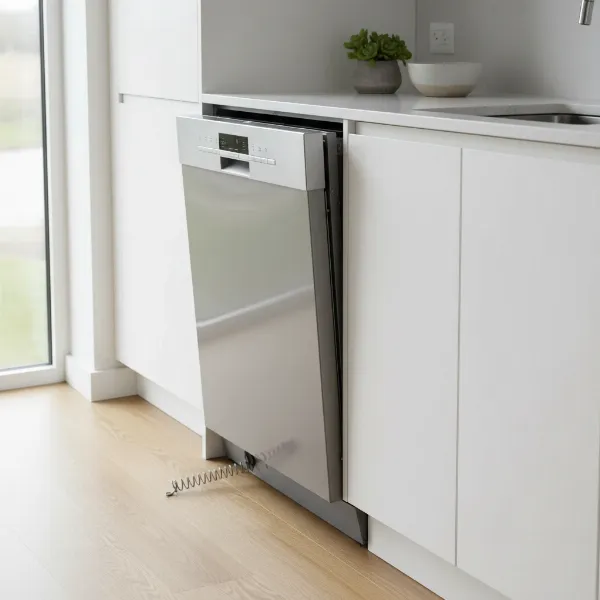
Deciding between a KitchenAid and a Bosch dishwasher can feel like navigating a maze of premium features and innovative technologies. Both brands stand as titans in the appliance world, renowned for their dedication to quality, performance, and durability. Yet, beneath their shared commitment to sparkling dishes, they offer distinct philosophies and functionalities. This comprehensive guide will dissect the core differences between KitchenAid and Bosch dishwashers, helping you determine which brand perfectly aligns with your kitchen’s aesthetic, your lifestyle, and your dishwashing demands. We’ll explore everything from their design nuances and washing prowess to drying innovation, operational quietness, and overall value, empowering you to make an informed decision for your home.
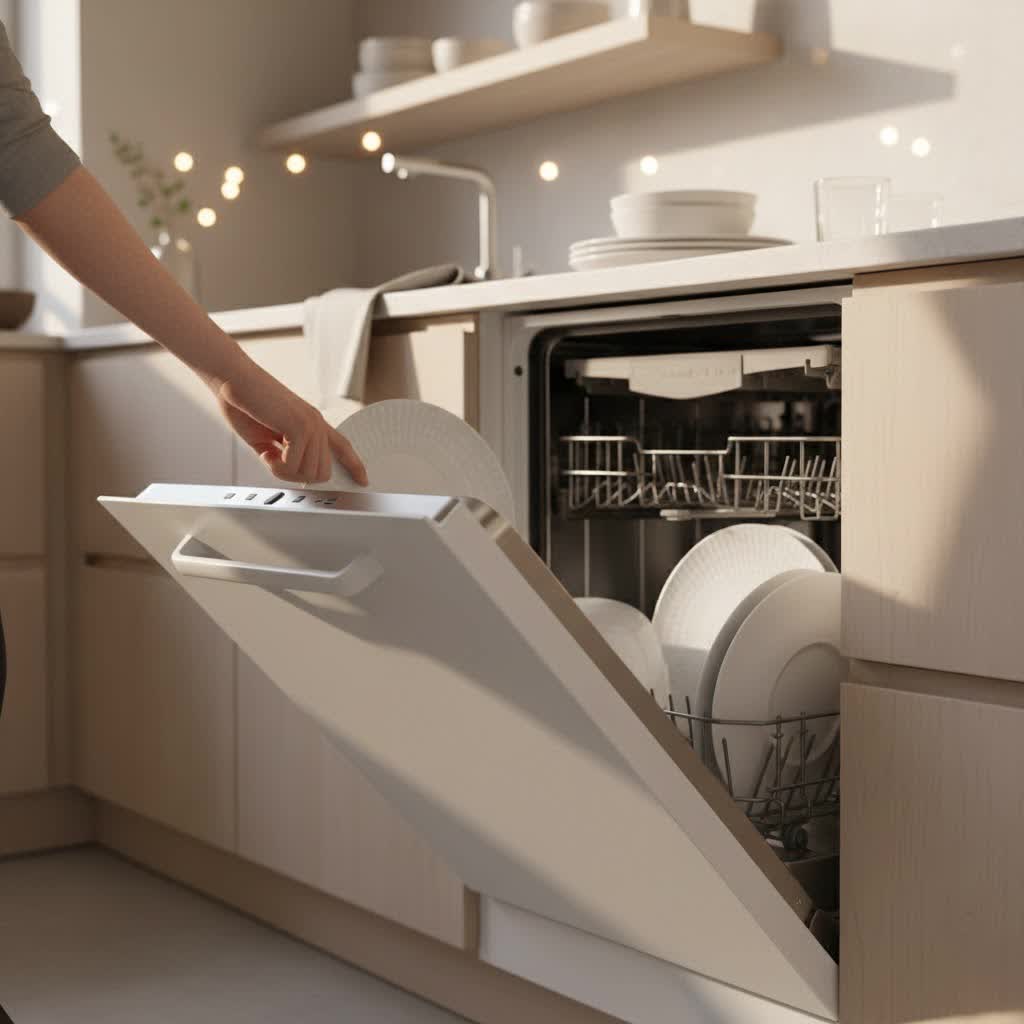
Design and Aesthetics: European Sleekness vs. American Robustness
The visual appeal and construction of a dishwasher play a significant role in your kitchen’s overall design. Bosch and KitchenAid offer contrasting aesthetic philosophies.
Bosch Dishwashers: Often embody a sleek, minimalist European design. Their aesthetic emphasizes clean lines, integrated controls, and a flush-mount installation that allows the appliance to blend seamlessly into modern kitchen cabinetry. Interiors frequently feature high-quality stainless steel, contributing to both hygiene and sound reduction. For those seeking a truly customized look, Bosch also provides a wider array of more affordable panel-ready options across various series, allowing you to match your dishwasher door with your existing cabinetry.
KitchenAid Dishwashers: Project a more traditional, robust American high-end aesthetic. They often feature prominent, signature handles that can make a bold statement, though many models also offer more integrated looks. KitchenAid prioritizes a sturdy build and often features all-stainless steel interiors, which users appreciate for their durability and premium feel. While KitchenAid offers panel-ready options, they are generally fewer and tend to be found in higher-priced models.
Washing Performance: Power vs. Precision
At the heart of any dishwasher lies its ability to clean, and both brands excel, albeit with different approaches.
Bosch Dishwashers: Are celebrated for their efficient and thorough cleaning, often featuring advanced spray arms and a sophisticated filtration system that ensures dishes emerge spotless. Many Bosch models incorporate a PowerControl™ spray arm, allowing users to adjust intensity for mixed loads, effectively handling both delicate glassware and heavily soiled pots in the same cycle. Their washing systems are designed for reliability and efficiency, ensuring consistent results without excessive water or energy consumption.
KitchenAid Dishwashers: Are known for their powerful cleaning cycles. They often feature a four-level wash system with high-pressure sprays strategically positioned throughout the racks. This design aims to tackle stubborn, baked-on food residues with brute force, ensuring a comprehensive clean even for the most challenging dishes. The focus is on delivering intense cleaning power across all areas of the wash tub.
Drying Technology: CrystalDry vs. ProDry
Drying performance is a critical factor, especially for plastic items which often retain moisture. Here, the brands offer distinct solutions.
Bosch Dishwashers: Are often lauded for their superior drying capabilities, particularly with their patented CrystalDry™ technology (found in their 800 Series and Benchmark models). This innovative system uses zeolite minerals to absorb moisture and release heat, achieving exceptional drying results, even for plastics, without the need for an exposed heating element. Lower Bosch series might feature condensation drying or AutoAir™ (in 500 series), which automatically opens the door slightly after a cycle to release steam.
KitchenAid Dishwashers: Typically employ a heated drying system, such as ProDry™. This method uses a heating element to dry dishes, which is highly effective for most ceramics and glassware. However, it can sometimes struggle with plastics, leaving residual moisture. While effective for many items, it may not achieve the same level of dryness on all materials as Bosch’s zeolite-based system.
Operational Quietness: A Symphony of Silence
For many modern homes, especially those with open-concept floor plans, a quiet dishwasher is paramount. Both brands offer impressively low decibel levels.
Bosch Dishwashers: Are widely regarded as industry leaders in quiet operation. Many Bosch models boast decibel ratings as low as 42 dB, with some reaching an ultra-quiet 38 dB. This whisper-quiet performance is a result of advanced insulation, motor design, and stainless steel tubs, making them ideal for homes where minimizing noise is a top priority. You might barely notice a Bosch dishwasher is running.
KitchenAid Dishwashers: Have also made significant strides in noise reduction. Many of their models operate quietly, often around 46 dB, with some premium models reaching an impressive 39 dB. For budget-conscious buyers seeking extreme quietness, KitchenAid sometimes offers models under $1,000 that are quieter than comparable Bosch entry-level units. While typically slightly louder than the quietest Bosch models, they still provide a very discreet washing experience.
Interior Flexibility and Capacity: Racks Designed for Life
The internal layout and adjustability of a dishwasher’s racks significantly impact its usability and capacity.
Bosch Dishwashers: Feature highly adjustable RackMatic® systems, allowing the upper rack to be moved to nine different height positions, accommodating taller items on either the top or bottom. Many Bosch models also include a flexible third rack, often designed as a V-shape, perfect for cutlery, small bowls, and various utensils. Their interior design prioritizes intelligent space utilization and versatility.
KitchenAid Dishwashers: Are often praised for their excellent rack design and generous usable capacity. Their slanted racks are engineered to hold more dishes, making them ideal for larger families or frequent entertainers. Many KitchenAid models come with the FreeFlex Third Rack, a spacious and highly adjustable rack designed to fit a wide variety of items, from mugs to oversized serving utensils, providing superior loading flexibility and maximizing space. KitchenAid also frequently uses all-stainless steel interiors, which contributes to overall durability and a premium feel.
Reliability and Durability: Built to Last
Investing in a dishwasher means expecting years of reliable service. Both Bosch and KitchenAid are considered reliable brands in the appliance market.
Bosch Dishwashers: Are known for their world-class German engineering, reliability, and robust build quality. They consistently rank high in consumer satisfaction and have a solid reputation for longevity. While service rates vary, Bosch generally demonstrates strong durability, often featuring stainless steel tubs for enhanced hygiene and resilience.
KitchenAid Dishwashers: Also boast a strong reputation for durability and consistent performance. According to some service data, KitchenAid can even show slightly better service rates than Bosch, suggesting comparable or even slightly superior long-term reliability in some instances. Their heavy-duty construction and high-quality materials are designed to withstand daily use. It’s worth noting that while some Bosch entry-level models (like the 100 Series) might use a plastic base, KitchenAid typically features all-stainless steel interiors, which some users perceive as more durable.
Price Point and Value: Investing in Your Kitchen
Both brands offer a range of models across various price points, catering to different budgets and feature preferences.
Bosch Dishwashers: Generally sit in the mid-range to high-end segment. Their pricing often reflects their advanced technologies (like CrystalDry), superior quietness, and premium European design. While entry-level Bosch models can start around $700-$800, their more advanced series (e.g., 800 Series, Benchmark) can easily exceed $1,200-$1,500. For those prioritizing cutting-edge drying and ultra-quiet operation, the investment often provides significant value.
KitchenAid Dishwashers: Also span a wide price spectrum, often overlapping with Bosch. KitchenAid can sometimes offer powerful cleaning and very quiet operation at more accessible price points, particularly for models under $1,000, making them a strong contender for budget-conscious shoppers who still demand premium performance. However, their top-tier models with extensive features can also reach prices comparable to high-end Bosch units. Value often comes from their robust build, cleaning power, and rack flexibility.
Advanced Features and Smart Technology
Modern dishwashers come packed with features designed to enhance convenience and performance.
Bosch Dishwashers: Offer a range of smart features, particularly in their higher series. This can include Home Connect capabilities, allowing users to remotely monitor and control their dishwasher via a smartphone app. Other innovations include AquaStop leak protection and various cycle options tailored for specific cleaning needs. Their focus is on intelligent efficiency and connectivity.
KitchenAid Dishwashers: Also integrate advanced features such as specific wash zones, advanced filtration systems, and sensor wash cycles that automatically adjust settings based on soil level. Some models offer smart integrations for seamless compatibility with voice assistants and home automation systems. KitchenAid often highlights features that enhance loading convenience and powerful cleaning.
Which Brand is Best for You?
Choosing between KitchenAid and Bosch ultimately boils down to your personal priorities and kitchen needs. Both are excellent brands, but they cater to slightly different preferences.
Choose Bosch if:
- Superior Drying is Your Priority: Especially if you wash a lot of plastics and want them bone dry. CrystalDry is a game-changer.
- Ultra-Quiet Operation is Essential: For open-concept living or noise-sensitive households, Bosch’s whisper-quiet models are unmatched.
- Sleek, Minimalist Design Appeals to You: You prefer a dishwasher that blends seamlessly into modern European-style kitchens.
- Advanced Smart Features are Desired: Bosch’s Home Connect offers a smart, connected experience.
- You Need More Panel-Ready Options: Bosch typically offers more choices for integrated aesthetics at various price points.
Choose KitchenAid if:
- Powerful Cleaning is Your Top Concern: You frequently tackle heavily soiled dishes and demand robust wash cycles.
- Rack Flexibility and Usable Capacity are Key: KitchenAid’s FreeFlex Third Rack and spacious slanted racks are excellent for diverse loads.
- You Prefer a Bold, Sturdy Aesthetic: The traditional American high-end look and prominent handles appeal to your kitchen’s style.
- Value at Specific Price Points: You’re looking for strong performance and quietness, especially under $1,000.
- You Prefer All-Stainless Steel Interiors: KitchenAid often features full stainless tubs across more models, providing a durable and premium feel.
Ultimately, both brands offer exceptional performance and reliability. Consider visiting an appliance showroom to see the models in person, feel the rack movements, and assess which design best complements your kitchen. Also, factor in local service availability and current promotions.
Conclusion
The debate between KitchenAid and Bosch dishwashers isn’t about one being definitively superior, but rather about which brand better aligns with your specific priorities. Bosch stands out for its unmatched quietness and revolutionary drying technology, coupled with a sleek European design. KitchenAid shines with its robust cleaning power, exceptional rack flexibility, and a bold, classic aesthetic. Both brands deliver reliability and a premium dishwashing experience. By weighing the importance of drying, quietness, cleaning strength, interior capacity, and design, you can confidently select the dishwasher that will become an invaluable asset to your kitchen for years to come. What features are most crucial for your daily dishwashing routine?
Frequently Asked Questions
Which dishwasher brand is quieter, KitchenAid or Bosch?
|
Our Picks for the Best Dishwasher in 2026
As an Amazon Associate I earn from qualifying purchases.
|
||
| Num | Product | Action |
|---|---|---|
| 1 | Kenmore 24" Premium Hybrid Tub Dishwasher - UltraWash, MoreSpace Adjustable Rack, High Temp & SmartWash - 12 Place Settings - 54 DBA - ENERGY STAR Certified - Fingerprint Resistant Stainless Steel |

|
| 2 | Cascade Complete Dishwasher Detergent Liquid Gel, Dish Detergent, Dishwasher Soap, Citrus, 75oz |
|
| 3 | Honeywell 18 Inch Dishwasher with 8 Place settings, 6 Washing Programs, Stainless Steel Tub, UL/Energy Star- Black |
|
| 4 | Sharp SDW6504MS Stainless Steel Dishwasher, 24-inch Pocket Handle, 52 dB, Hybrid Tub, 12 Place Settings, 5 Cycles, Heated Dry |
|
| 5 | Cascade Complete Dishwasher Pods - Fresh Scent ActionPacs, Dishwasher Detergent, Dishwasher Soap, Detergent Pods, 78 Count |
|
| 6 | EUHOMY Countertop Dishwasher Portable with 6 Programs, 5L Built-in Water Tank for Apartments & RV, 167℉ High-Temp, No Hookup Needed, Mini Dishwasher with Baby Care, Air Dry/Quick/ECO/Fruit/Normal Mode |
|
| 7 | Cascade Platinum Plus Dishwasher Pods, Dish Detergent Soap, Clean Scent, 62 Count |
|
| 8 | COMFEE’ Portable Mini Dishwasher, Energy Star, Countertop, 6 Place Settings, with 8 Washing Programs, Speed, Baby-Care, ECO& Glass, Dish Washer for Dorm, RV& Apartment, White |
|
| 9 | BLUELAND 100% Plastic-Free Dishwasher Detergent Tablets, 60 Count, Free & Clear, Eco-Friendly Dishwashing Pods, Natural, USDA Certified biobased |
|
| 10 | COMFEE’ Countertop Dishwasher, Energy Star Portable Dishwasher, 6 Place Settings & 8 Washing Programs, Speed, Baby-Care, ECO& Glass, Dish Washer for Dorm, RV& Apartment, Black |
|
Bosch is generally recognized as the industry leader in quiet dishwasher operation, with many models reaching extremely low decibel levels (as low as 38-42 dB). While KitchenAid also offers very quiet models (some as low as 39 dB), especially in certain price ranges, Bosch often has a slight edge across its product lines for ultimate silence.
Does KitchenAid or Bosch offer better drying performance?
Bosch typically offers superior drying performance, primarily due to its advanced CrystalDry technology (in higher-end models) which uses zeolite minerals for exceptional drying, even on plastics. KitchenAid’s ProDry uses heated drying, which is effective for most dishware but may leave more moisture on plastic items.
Which brand is more reliable, KitchenAid or Bosch?
Both KitchenAid and Bosch are highly reliable brands. While some service data might show minor differences in reliability rates, both consistently rank well for durability and longevity. The best way to assess reliability is often through long-term owner reviews and ensuring good local service support.
Is a KitchenAid dishwasher better for large families than Bosch?
KitchenAid dishwashers are often favored by larger families due to their excellent rack design, such as the FreeFlex Third Rack, and generally more usable internal capacity. Their slanted racks are specifically designed to accommodate more dishes and varied item sizes, potentially offering better flexibility for large loads compared to some Bosch configurations.
What is the main design difference between Bosch and KitchenAid dishwashers?
Bosch dishwashers are known for their sleek, minimalist European design with integrated controls and a flush appearance. KitchenAid dishwashers typically feature a more robust, traditional American high-end aesthetic, often with distinctive handles and a bolder presence.