Few things are as frustrating as opening your dishwasher after a cycle, only to find a pool of dirty water still lingering at the bottom. It’s a clear sign your appliance isn’t draining correctly, and often, the culprit is a faulty drain pump. While a malfunctioning dishwasher drain pump might seem like a daunting repair, it’s a fix many homeowners can tackle themselves with the right tools and a clear guide. This article will walk you through everything you need to know to diagnose, prepare for, and successfully replace your dishwasher’s drain pump, saving you time and money.
Understanding Your Dishwasher’s Drain Pump
|
Our Picks for the Best Dishwasher in 2026
As an Amazon Associate I earn from qualifying purchases.
|
||
| Num | Product | Action |
|---|---|---|
| 1 | BLUELAND 100% Plastic-Free Dishwasher Detergent Tablets, 60 Count, Free & Clear, Eco-Friendly Dishwashing Pods, Natural, USDA Certified biobased |

|
| 2 | Cascade Complete Dishwasher Detergent Liquid Gel, Dish Detergent, Dishwasher Soap, Citrus, 75oz |
|
| 3 | COMFEE’ Portable Mini Dishwasher, Energy Star, Countertop, 6 Place Settings, with 8 Washing Programs, Speed, Baby-Care, ECO& Glass, Dish Washer for Dorm, RV& Apartment, White |
|
| 4 | EUHOMY Countertop Dishwasher Portable with 6 Programs, 5L Built-in Water Tank for Apartments & RV, 167℉ High-Temp, No Hookup Needed, Mini Dishwasher with Baby Care, Air Dry/Quick/ECO/Fruit/Normal Mode |
|
| 5 | Honeywell 18 Inch Dishwasher with 8 Place settings, 6 Washing Programs, Stainless Steel Tub, UL/Energy Star- Black |
|
| 6 | Cascade Platinum Plus Dishwasher Pods, Dish Detergent Soap, Clean Scent, 62 Count |
|
| 7 | Kenmore 24" Premium Hybrid Tub Dishwasher - UltraWash, MoreSpace Adjustable Rack, High Temp & SmartWash - 12 Place Settings - 54 DBA - ENERGY STAR Certified - Fingerprint Resistant Stainless Steel |
|
| 8 | COMFEE’ Countertop Dishwasher, Energy Star Portable Dishwasher, 6 Place Settings & 8 Washing Programs, Speed, Baby-Care, ECO& Glass, Dish Washer for Dorm, RV& Apartment, Black |
|
| 9 | Sharp SDW6504MS Stainless Steel Dishwasher, 24-inch Pocket Handle, 52 dB, Hybrid Tub, 12 Place Settings, 5 Cycles, Heated Dry |
|
| 10 | Cascade Complete Dishwasher Pods - Fresh Scent ActionPacs, Dishwasher Detergent, Dishwasher Soap, Detergent Pods, 78 Count |
|
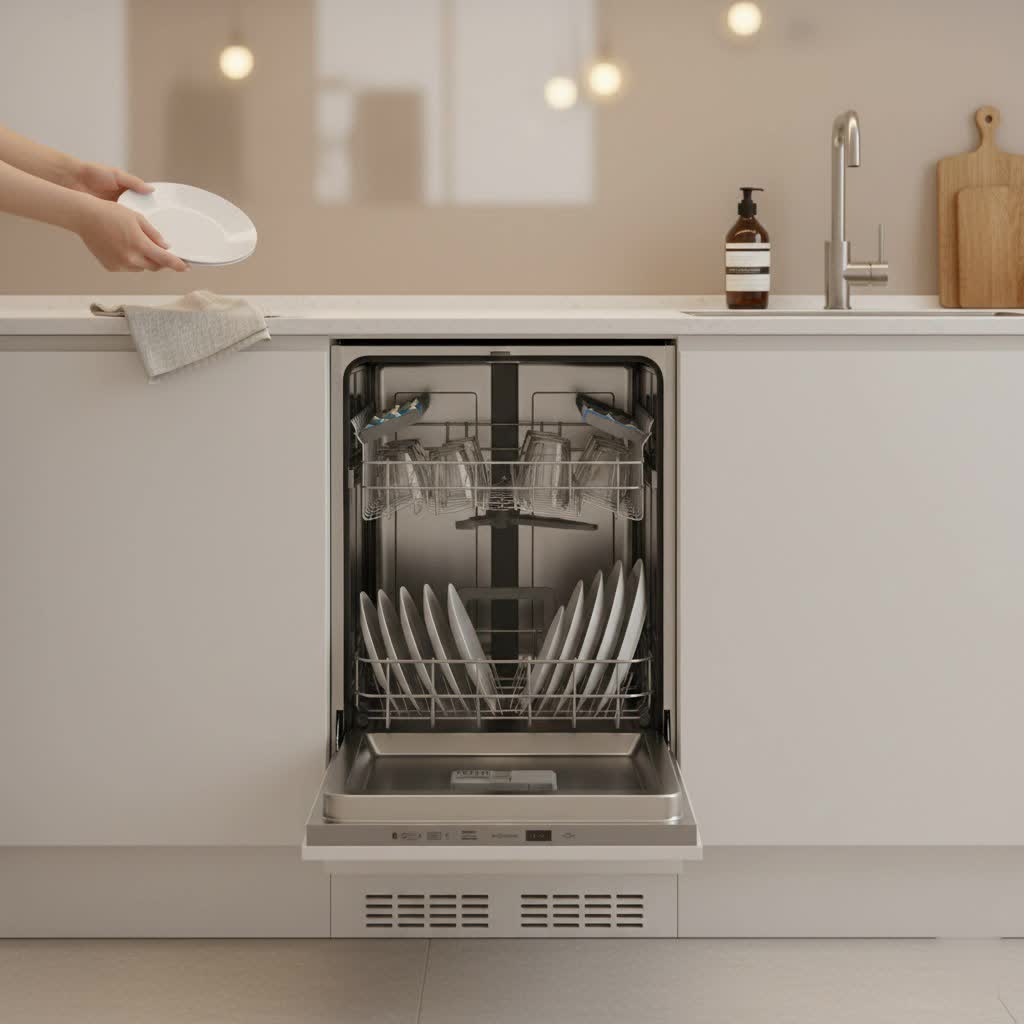
The drain pump is a vital component in your dishwasher’s cleaning cycle, responsible for expelling the dirty wash water out of the appliance and into your home’s drainage system. Without a properly functioning pump, water will simply sit in the tub, leading to unsanitary conditions and preventing your dishes from getting clean.
Signs that your dishwasher drain pump might be failing include water not draining at all, unusual grinding or humming noises coming from the pump area during the drain cycle, or the dishwasher stopping mid-cycle with water still inside. Sometimes, a clogged filter or drain hose can mimic these symptoms, so it’s always wise to check those first. However, if the path is clear and the problem persists, a replacement drain pump is likely needed.
Essential Tools and Parts for a Successful Replacement
Before you begin, gathering the correct tools and the specific replacement drain pump for your dishwasher model is crucial. This ensures a smooth and efficient repair process.
Here’s a general list of what you’ll need:
- Replacement Drain Pump: Ensure it’s compatible with your dishwasher’s make and model. You can usually find the model number on a sticker inside the dishwasher door frame.
- Screwdriver Set: Typically Phillips head, flathead, and sometimes Torx (star-shaped) bits.
- Nut Driver Set: For removing various panel screws.
- Channel-Lock Pliers: Useful for squeezing wire hose clamps.
- Towels or Rags: To absorb any residual water.
- Work Gloves: For protection, especially when handling sharp edges or debris.
- Rinse Aid or Silicone Grease: To lubricate the new pump’s O-ring seal, ensuring a watertight connection.
- Syringe (Optional): For removing small amounts of residual water.
- Flashlight or Headlamp: To illuminate tight spaces.
Identifying the correct replacement pump often involves checking your dishwasher’s model number and searching online appliance parts retailers or the manufacturer’s website. They will usually have diagrams and part numbers to help you confirm compatibility.
Safety First: Preparing for Your Dishwasher Repair
Working with appliances involves electricity and water, so safety must be your top priority. Always take these precautions before starting any repair:
- Disconnect Electrical Power: This is the most critical step. Unplug the dishwasher from the wall outlet. If it’s hardwired, shut off the corresponding circuit breaker in your home’s electrical panel. Verify that the power is off by attempting to turn on the dishwasher or checking for lights on the control panel.
- Turn Off Water Supply: Locate the hot water shut-off valve under your kitchen sink (most dishwashers connect to the hot water line) and turn it off.
- Drain Residual Water: Even if the dishwasher isn’t draining, there might be some water remaining in the tub or drain hose. Use towels, a sponge, or a syringe to remove as much standing water as possible to prevent spills.
- Clear the Area: Make sure you have enough space to work around the dishwasher, especially if you need to pull it out from under the counter or tilt it.
Remember, patience and caution are your best allies during this repair.
Step-by-Step Guide: How to Replace Your Dishwasher Drain Pump
The exact steps can vary slightly depending on your dishwasher’s make and model, particularly regarding how you access the drain pump. However, the general principles remain consistent.
Accessing the Drain Pump
Your dishwasher’s drain pump is typically located at the bottom of the unit, often beneath the sump area. Access usually falls into one of two main categories:
Method A: Front Access (Common for many models)
- Remove the Toe Kick and Access Panel: Use a nut driver or screwdriver to remove the screws holding the bottom front toe kick panel and the access panel beneath the dishwasher door.
- Inspect for Access: Once these panels are off, you may be able to reach the drain pump directly from the front. If not, you might need to proceed to Method B.
Method B: Tilted Access (Common for fully integrated or heavier models)
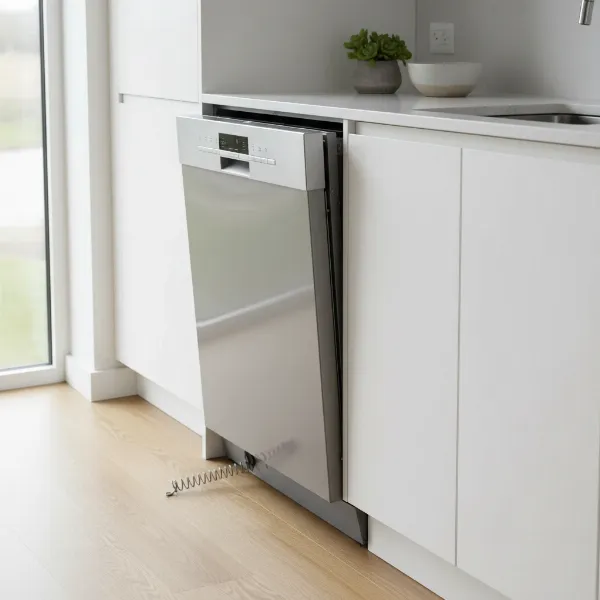
- Carefully Pull Out the Dishwasher: Gently pull the dishwasher out from its cabinet enclosure. You might need to loosen mounting brackets first. Be careful not to damage the water lines or drain hose.
- Lay the Dishwasher on its Back: With the help of an extra pair of hands, carefully tilt the dishwasher onto its back. Place towels underneath to catch any remaining water.
- Remove the Base Plate: Unscrew the base plate from the bottom of the dishwasher. You may also need to remove or disconnect an anti-flood sensor that’s usually attached to the inside of the base plate. Take a photo of any electrical connections before disconnecting them for easier reassembly.
Disconnecting the Old Pump
Once the drain pump is accessible:
- Locate the Drain Hose: Find the drain hose connected to the pump’s outlet. Use channel-lock pliers to squeeze the wire clamp, slide it up the hose, and then carefully pull the hose off the pump. Be ready for some water to spill.
- Disconnect Electrical Wires: Detach the wire harness or electrical connections from the drain pump terminals.
- Remove the Old Pump: Most drain pumps are secured by screws or a locking tab mechanism. If screwed, simply unscrew it. If it has a locking tab, press down on the tab and rotate the pump about a quarter turn counter-clockwise to unlock and remove it from the sump opening.
Installing the New Pump
Now that the old pump is out, it’s time for the new one:
- Prepare the New Pump: Check if your new drain pump came with a new O-ring seal. If not, carefully transfer the old seal from the faulty pump, ensuring it’s clean and intact. Lubricate the O-ring water seal on the new drain pump with a light coat of rinse aid or silicone grease. This helps prevent leaks and ensures a snug fit.
- Position the New Pump: Insert the new drain pump into the sump opening. If it’s a twist-lock style, rotate it a quarter turn clockwise until you hear or feel the locking tab snap into place. If it’s a screw-mount pump, align it and secure it with the screws.
- Reconnect Electrical Wires: Plug the wire harness or electrical connections back into the new drain pump.
- Reconnect the Drain Hose: Slide the drain hose onto the outlet of the new pump and secure it with the wire clamp you previously moved.
Reassembly and Testing
- Reassemble Access Panels: If you removed the base plate and anti-flood sensor, reattach them, referring to your photo for electrical connections. Then, return the dishwasher to its upright position. Reinstall the bottom access panel and toe kick, or the outer door panel and control panel, depending on how you accessed the pump.
- Restore Power and Water: Turn the hot water supply back on. Plug in the dishwasher or flip the circuit breaker back on.
- Test the Dishwasher: Run a short cycle (like a rinse-only cycle) and observe carefully for any leaks and to ensure the water drains completely. Listen for any unusual noises.
Troubleshooting Common Issues After Drain Pump Replacement
Even after a successful replacement, you might encounter minor issues. Here are a few common problems and their solutions:
- Still Not Draining: Double-check all electrical connections to the pump. Ensure the drain hose isn’t kinked or clogged further down the line. The impeller inside the new pump might be obstructed.
- Leaking Water: This is often due to a poorly seated O-ring seal on the pump or a loose connection at the drain hose. Re-lubricate and reseat the pump, and ensure the hose clamp is tight.
- Unusual Noises: A new pump might make slightly different noises than the old one, but loud grinding or rattling could indicate a loose pump, debris inside the pump, or an issue with the motor.
Always disconnect power and water again before attempting any further troubleshooting.
When to Consider Professional Dishwasher Repair
While replacing a drain pump is a manageable DIY task, there are times when calling a professional is the smarter choice. If you’re uncomfortable working with electrical components or plumbing, if your dishwasher is particularly old or complex, or if you encounter unexpected problems during the repair that you can’t resolve, a certified technician can diagnose and fix the issue safely and efficiently. Sometimes, what seems like a drain pump problem might be a deeper electrical or control board issue.
“A common mistake DIYers make is underestimating residual water. Always have plenty of towels and ensure power is off to avoid shocks. A little preparation goes a long way.”
Conclusion
Replacing a faulty dishwasher drain pump can revive your appliance and restore the convenience of a fully functional kitchen. By carefully following the steps for safety, access, removal, installation, and reassembly, you can successfully tackle this repair yourself. Remember to double-check all connections and test thoroughly before putting your dishwasher back into regular service. With your drain pump replaced, you’ll be back to sparkling clean dishes and a smoothly running kitchen in no time.
Have you ever faced a stubborn dishwasher repair? What was your biggest takeaway from the experience?
Frequently Asked Questions
How do I know if my dishwasher drain pump is bad or if it’s just a clog?
If your dishwasher isn’t draining, first check for simple clogs in the filter at the bottom of the tub and the air gap (if you have one). If these are clear, try running a cycle to listen for the pump. A humming sound without water draining, or loud grinding noises, often points to a failing pump motor or impeller.
Can I replace a dishwasher drain pump without pulling out the entire dishwasher?
It depends on your specific dishwasher model. Some models allow access to the drain pump from the front by removing the lower access panel and toe kick. Others require you to pull the dishwasher out from under the counter and tilt it onto its back to access the pump from below.
What tools do I need to replace a dishwasher drain pump?
You’ll typically need a screwdriver set (Phillips, flathead, possibly Torx), nut drivers, channel-lock pliers for hose clamps, towels to catch water, and work gloves for safety. Rinse aid or silicone grease is also recommended for lubricating the new pump’s O-ring seal.
How long does it take to replace a dishwasher drain pump?
For an experienced DIYer, replacing a dishwasher drain pump can take anywhere from 30 minutes to an hour. If you’re less experienced, or if you encounter unexpected difficulties like stuck screws or difficult access, it might take a few hours.
Is it cheaper to replace a dishwasher drain pump myself or hire a professional?
Replacing the drain pump yourself is almost always cheaper than hiring a professional, as you only pay for the part and save on labor costs. However, if you lack confidence or encounter complex issues, a professional can prevent costly mistakes.