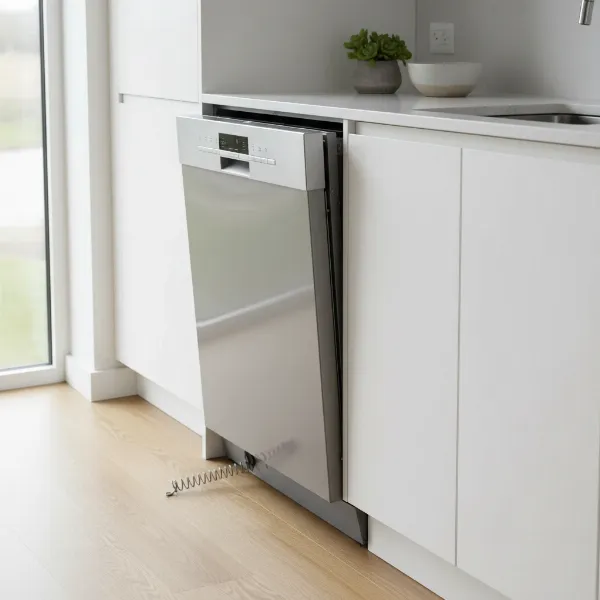
Tired of endless handwashing in your small apartment or RV? Imagine a world where clean dishes are just a cycle away, without the need for permanent installation. Portable dishwashers on wheels offer a revolutionary solution, blending convenience with powerful cleaning. These innovative appliances bring the efficiency of a full-size dishwasher to any kitchen, transforming daily chores into effortless tasks. This guide will walk you through everything you need to know about selecting the perfect portable dishwasher on wheels for your home in 2026, from understanding their unique benefits to comparing top models and mastering their use.
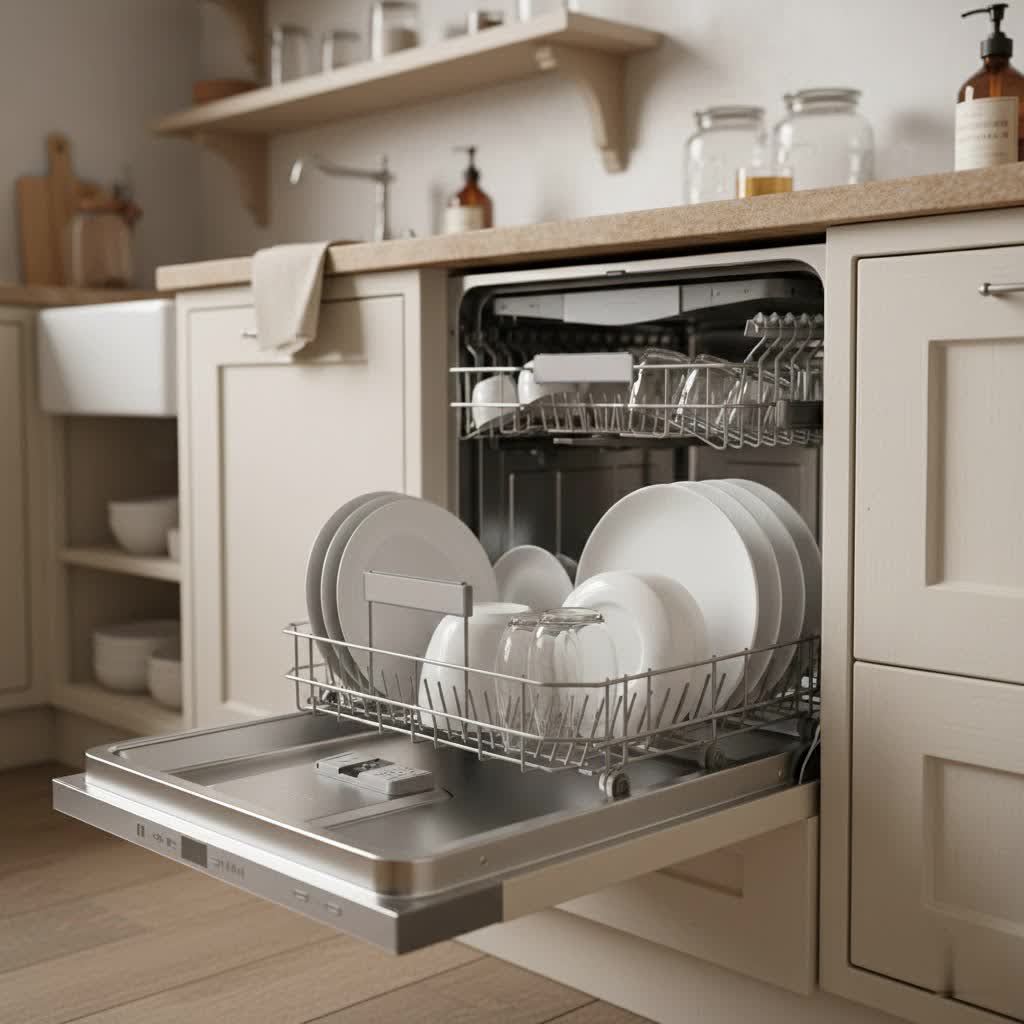
Understanding Portable Dishwashers on Wheels
A portable dishwasher on wheels is a freestanding appliance equipped with casters, allowing you to easily roll it into position when needed and store it away when not in use. Unlike built-in dishwashers, these units don’t require permanent plumbing modifications. Instead, they conveniently connect to your kitchen faucet, drawing in clean water and draining wastewater into your sink. This design makes them an ideal choice for renters, individuals in small apartments or condominiums, RV owners, and anyone seeking the benefits of automated dishwashing without the commitment of a fixed installation.
While often grouped with “countertop dishwashers,” portable dishwashers on wheels are distinct. Countertop models are significantly smaller, sitting directly on your counter and typically handling only a few place settings. Portable dishwashers on wheels, by contrast, are generally larger, resembling a standard dishwasher in height and capacity. They can accommodate more dishes, including larger items like pots and pans, offering a cleaning performance comparable to their built-in counterparts. This crucial difference means you don’t have to compromise on capacity or cleaning power.
The Advantages of Portable Dishwashers on Wheels
The appeal of portable dishwashers on wheels extends far beyond their simple mobility. They offer a host of benefits that cater to modern living, providing flexibility and efficiency for diverse households.
Mobility and Flexibility
|
Our Picks for the Best Dishwasher in 2026
As an Amazon Associate I earn from qualifying purchases.
|
||
| Num | Product | Action |
|---|---|---|
| 1 | Sharp SDW6504MS Stainless Steel Dishwasher, 24-inch Pocket Handle, 52 dB, Hybrid Tub, 12 Place Settings, 5 Cycles, Heated Dry |

|
| 2 | Honeywell 18 Inch Dishwasher with 8 Place settings, 6 Washing Programs, Stainless Steel Tub, UL/Energy Star- Black |
|
| 3 | Cascade Platinum Plus Dishwasher Pods, Dish Detergent Soap, Clean Scent, 62 Count |
|
| 4 | EUHOMY Countertop Dishwasher Portable with 6 Programs, 5L Built-in Water Tank for Apartments & RV, 167℉ High-Temp, No Hookup Needed, Mini Dishwasher with Baby Care, Air Dry/Quick/ECO/Fruit/Normal Mode |
|
| 5 | Cascade Complete Dishwasher Pods - Fresh Scent ActionPacs, Dishwasher Detergent, Dishwasher Soap, Detergent Pods, 78 Count |
|
| 6 | BLUELAND 100% Plastic-Free Dishwasher Detergent Tablets, 60 Count, Free & Clear, Eco-Friendly Dishwashing Pods, Natural, USDA Certified biobased |
|
| 7 | Cascade Complete Dishwasher Detergent Liquid Gel, Dish Detergent, Dishwasher Soap, Citrus, 75oz |
|
| 8 | Kenmore 24" Premium Hybrid Tub Dishwasher - UltraWash, MoreSpace Adjustable Rack, High Temp & SmartWash - 12 Place Settings - 54 DBA - ENERGY STAR Certified - Fingerprint Resistant Stainless Steel |
|
| 9 | COMFEE’ Portable Mini Dishwasher, Energy Star, Countertop, 6 Place Settings, with 8 Washing Programs, Speed, Baby-Care, ECO& Glass, Dish Washer for Dorm, RV& Apartment, White |
|
| 10 | COMFEE’ Countertop Dishwasher, Energy Star Portable Dishwasher, 6 Place Settings & 8 Washing Programs, Speed, Baby-Care, ECO& Glass, Dish Washer for Dorm, RV& Apartment, Black |
|
One of the most significant advantages is their inherent portability. With smooth-rolling casters, you can effortlessly move the dishwasher from a storage spot to your kitchen sink for use, and then tuck it away when the cycle is complete. This makes them perfect for dynamic living situations, allowing you to reclaim valuable kitchen space or even take the appliance with you if you move. The ability to lock the wheels ensures stability during operation, preventing any unwanted movement.
No Installation Hassles
Forget about costly and complicated plumbing work. Portable dishwashers connect directly to most standard kitchen faucets using a quick-connect adapter. This temporary hook-up means there’s no need to alter your home’s existing plumbing or cabinetry, making them an excellent choice for rental properties or temporary living spaces where permanent modifications are not an option. The connection process is straightforward, often taking only minutes to set up.
Space-Saving Design & Extra Countertop
For kitchens with limited counter or cabinet space, a portable dishwasher on wheels can be a game-changer. When not in use, its flat top often doubles as an additional workspace, providing valuable counter real estate. Its compact footprint ensures that even the smallest kitchens can benefit from automated dishwashing without feeling cluttered. This dual functionality is a testament to their thoughtful design, maximizing utility in confined areas.
Impressive Capacity and Cleaning Power
Despite their portable nature, these dishwashers boast substantial capacities, typically handling between 8 and 12 place settings. This means you can wash a significant amount of dishes, including larger items like serving platters, tall glasses, and cooking pots, that might not fit in smaller countertop models. Many portable units are also equipped with advanced wash cycles and powerful spray arms, delivering thorough cleaning performance that rivals permanently installed dishwashers, leaving your dishes spotless and sparkling.
Water and Energy Efficiency
Modern portable dishwashers are designed with efficiency in mind. Many models are ENERGY STAR® certified, meaning they consume significantly less water and energy than traditional handwashing. A typical cycle uses between 3 to 5 gallons of water, a stark contrast to the 10 to 27 gallons often used when washing dishes by hand. Over the appliance’s lifespan, these savings translate into lower utility bills and a reduced environmental footprint, making them a smart choice for both your wallet and the planet.
Essential Factors for Choosing Your Portable Dishwasher
Selecting the right portable dishwasher involves weighing several key criteria to ensure it perfectly matches your lifestyle and kitchen needs.
Size and Kitchen Space
Before anything else, measure your available kitchen space, both for use and storage. Portable dishwashers commonly come in 18-inch and 24-inch widths. Consider the height and depth as well, ensuring there’s enough clearance when rolled up to the sink and when stored. Remember, while compact, they still require a dedicated spot.
Capacity: How Many Place Settings?
The capacity, measured in place settings, indicates how many dishes the dishwasher can clean in one go. Freestanding portable models typically offer 8 to 12 place settings, suitable for couples, small families, or even those who entertain occasionally. If you frequently wash large pots and pans, ensure the model you choose has flexible rack configurations or adjustable upper racks to accommodate these bulkier items.
Wash Cycles and Features
A variety of wash cycles can enhance your dishwashing experience. Look for options like Normal, Heavy, Light, Quick Wash, and Sanitize. Additional features such as a Delay Start, a hard food disposer (which can be a rare but valuable find in portable models), and a rinse aid reminder can add significant convenience and improve cleaning results. An adjustable upper rack is particularly useful for customizing the interior space to fit different dish sizes.
Noise Level (dBA)
Since portable dishwashers are not enclosed by cabinetry, their operating noise level is a critical consideration. Noise is measured in decibels (dBA); the lower the number, the quieter the operation. While normal conversation is around 60 dBA, many quiet portable dishwashers operate in the 50-55 dBA range or even lower, providing a more peaceful kitchen environment.
Drying Method
Dishwashers employ various drying methods, each with pros and cons. Heated dry offers the quickest and most thorough drying, but it uses more energy. Condensation drying is more energy-efficient but takes longer and may leave some moisture. Air dry relies on a fan without heat, which is the most energy-saving but can take several hours and might not dry dishes completely. Be aware that many portable models, especially budget-friendly ones, may struggle with drying, often benefiting from leaving the door ajar after a cycle.
Energy and Water Efficiency
Beyond the overall benefits, always check for an ENERGY STAR® certification. These models are independently verified to meet strict efficiency guidelines, ensuring you’re getting an appliance that helps save on both electricity and water bills over its lifespan. Sophisticated soil sensors in some advanced models can even detect how dirty your dishes are and adjust water usage and cycle time accordingly.
Durability and Build Quality
Investing in a portable dishwasher means expecting it to last. Look for models with a stainless steel tub, which is generally more durable, helps retain heat for better drying, and contributes to quieter operation compared to plastic tubs. A robust exterior finish and sturdy casters are also indicators of good build quality.
Hose and Faucet Compatibility
Before purchasing, inspect your kitchen faucet to ensure it has threading for an adapter. Most portable dishwashers come with a quick-connect hose assembly that easily attaches to standard aerator threads. If your faucet isn’t compatible, you may need to purchase a specific adapter or consider replacing your faucet, although most modern faucets are suitable.
Top Portable Dishwashers on Wheels for 2026
The market for portable dishwashers continues to evolve, with several brands offering excellent options for 2026. Here are some top contenders known for their performance, features, and reliability:
- GE GPT225SSLSS: This 24-inch model is celebrated for its powerful cleaning, quiet operation, and ability to dry dishes effectively, a notable advantage among portable units. It offers a generous 12-place setting capacity, a durable stainless steel interior and exterior, and often includes a Piranha hard food disposer to prevent clogs.
- GE GPT145SSLSS: A slightly more compact 18-inch option, this GE model still delivers excellent cleaning quality and thoroughly dries dishes. It features an 8-place setting capacity, a robust stainless steel build, and a built-in food disposer, making it a strong performer for smaller households.
- Danby DDW1805EWP: A budget-friendly choice, the Danby DDW1805EWP provides reliable cleaning for its price point. With an 8-place setting capacity, it’s a great entry-level option for those exploring portable dishwashers. Users appreciate its efficiency, though some components may be less robust.
- Sunpentown SD-9263W: This stylish 18-inch dishwasher stands out for its quiet operation and space-saving, shallow design, making it perfect for cramped kitchens. It includes an adjustable upper rack, a convenient feature for accommodating bulkier items, though careful handling during adjustments is recommended.
- Black & Decker BPD8W: This 18-inch portable dishwasher features an 8-place setting capacity and a durable stainless steel tub that contributes to lower noise levels. It boasts an easy-to-use control panel with an LED display and a helpful rinse aid reminder. While some users note its drying performance could be improved, opening the door after a cycle often helps.
- Whirlpool WDP370PAHW: Known for its spacious 12-place setting capacity and efficient 1-hour wash cycle, the Whirlpool WDP370PAHW is a powerful contender. It includes a soil level sensor that optimizes water and heat, runs quietly, and offers a heavy cycle option for tough stains. However, its drying cycle can be weak, sometimes requiring manual towel drying.
Comparison Table: Top Portable Dishwashers for 2026
| Model | Width (Inches) | Capacity (Place Settings) | Key Features | Noise (dBA) | Drying Method | Energy Star Certified |
|---|---|---|---|---|---|---|
| GE GPT225SSLSS | 24 | 12 | Stainless steel tub & exterior, hard food disposer, quiet | Low | Heated Dry | Yes |
| GE GPT145SSLSS | 18 | 8 | Stainless steel tub & exterior, built-in food disposer, quiet | Low | Heated Dry | Yes |
| Danby DDW1805EWP | 18 | 8 | Budget-friendly | N/A | N/A | Yes |
| Sunpentown SD-9263W | 18 | 8 | Shallow design, adjustable upper rack, quiet operation | Low | N/A | Yes |
| Black & Decker BPD8W | 18 | 8 | Stainless steel tub, rinse aid reminder, LED display | Low | Condensation | Yes |
| Whirlpool WDP370PAHW | 24 | 12 | 1-hour wash cycle, soil sensor, spacious, quiet | Low | Condensation | No |
Operating and Maintaining Your Portable Dishwasher
Getting the most out of your portable dishwasher involves understanding its operation and committing to regular care.
Step-by-Step Usage Guide
- Prepare: Roll your portable dishwasher to the kitchen sink. Ensure the hoses are not kinked or twisted.
- Connect: Attach the inlet hose connector to your faucet’s aerator threading. Slowly turn on the hot water all the way to ensure proper water supply.
- Load: Load your dishes efficiently. Scrape off large food particles, but pre-rinsing is often unnecessary. Place larger items in the bottom rack and smaller, delicate items in the top. Don’t block the spray arms.
- Add Detergent: Fill the detergent dispenser and, if applicable, the rinse aid dispenser.
- Select Cycle & Start: Plug the dishwasher into a grounded outlet, choose your desired wash cycle, and press start.
- After Cycle: Once the cycle finishes, slowly turn off the hot water, pull down on the faucet locking collar, and detach the hose connector.
- Store: Roll the dishwasher back to its storage location, ideally with the hoses neatly stowed away in its compartment.
Loading Tips for Optimal Cleaning
Proper loading is key to achieving sparkling clean dishes. Avoid overcrowding the racks, as this can impede water and detergent circulation. Face heavily soiled areas towards the spray arms. For dishwashers with an adjustable upper rack, utilize this feature to create space for taller items on either the top or bottom. Always ensure that no items are blocking the detergent dispenser or the spray arms.
Essential Maintenance for Longevity
Regular maintenance helps extend your portable dishwasher’s lifespan and keeps it running efficiently. Clean the food filter periodically to prevent blockages and odors. You can use a specialized dishwasher cleaning tablet or a mixture of white vinegar and baking soda to deep clean the interior. Regularly check the hoses for any signs of wear or kinks and ensure the faucet connection remains secure. Wiping down the exterior keeps it looking new.
Where to Purchase Your Portable Dishwasher
Portable dishwashers are widely available, both online and in physical retail stores, offering various options to suit your preferences.
Online Retailers vs. Physical Stores
Major online retailers like Amazon, Lowe’s, Home Depot, and AppliancesConnection offer a vast selection of models, often with competitive pricing and the convenience of home delivery. These platforms also provide customer reviews and detailed specifications, aiding in your research. Physical appliance stores allow you to see the unit in person, assess its size, and discuss features with sales associates, though their inventory might be more limited.
Tips for Smart Online Shopping
When buying online, compare prices across different retailers. Look for free shipping and installation services (though installation is minimal for portable units). Read customer reviews thoroughly, paying attention to comments on cleaning performance, noise levels, and durability. Always check the return policy and warranty information before making a purchase.
Your Comprehensive Buying Guide
Making an informed decision about your portable dishwasher involves a thoughtful process that aligns the appliance with your unique needs.
Assessing Your Needs
Start by evaluating your household size, how frequently you cook, and the typical volume of dishes you generate. This will help determine the optimal capacity (e.g., 8 vs. 12 place settings) and the variety of wash cycles you truly need. Consider your living situation—do you rent, or do you own a small home or RV? Your answers will guide your selection.
Matching Type to Lifestyle
If mobility and flexibility are paramount, a freestanding portable dishwasher on wheels is your ideal choice. If you have extremely limited space and primarily wash small loads, a countertop model might suffice, though it’s important to differentiate it from the more capable wheeled units. Your lifestyle should dictate the features you prioritize, such as a quick wash cycle for busy schedules or a sanitize option for baby items.
Comparing Features and Value
Create a checklist of your must-have features (e.g., quiet operation, adjustable racks, specific wash cycles) and compare models based on these criteria. Consider the long-term value, including energy efficiency and durability, rather than just the initial purchase price. A slightly more expensive model with better efficiency or a longer lifespan can save you money over time.
Pre-Purchase Checklist
- Measure your kitchen space (for use and storage).
- Check your faucet for threading compatibility.
- Determine your required capacity.
- Set a budget.
- Read reviews for desired models.
- Confirm warranty and return policies.
Conclusion
Portable dishwashers on wheels are a modern marvel, offering unparalleled convenience, flexibility, and powerful cleaning for those without traditional built-in options. Whether you’re a renter, live in a compact space, or simply value the ability to reclaim your kitchen, these appliances deliver significant advantages. By carefully considering factors like size, capacity, features, noise level, and efficiency, you can confidently choose a model that seamlessly integrates into your home and simplifies your daily routine. With the right portable dishwasher, the days of scrubbing dishes by hand can finally become a distant memory.
What aspect of portable dishwashers are you most excited to integrate into your kitchen routine?
Frequently Asked Questions
How much water and energy do portable dishwashers use?
Portable dishwashers are surprisingly efficient, typically using 3 to 5 gallons of water per cycle. ENERGY STAR® certified models further reduce consumption, often saving about 12% energy and 30% water compared to standard models, making them more economical than handwashing.
Are portable dishwashers noisy?
Noise levels vary, but many modern portable dishwashers operate quietly, often in the 50-55 dBA range or even lower. Since they are standalone units, checking the decibel rating before purchase is essential to ensure a comfortable kitchen environment.
Can portable dishwashers clean as well as built-in models?
Absolutely. Many top-rated portable dishwashers on wheels offer cleaning performance comparable to full-size built-in units. They come with multiple wash cycles and powerful spray arms designed to tackle tough food residues, leaving dishes spotless.
What is the main difference between a portable and a countertop dishwasher?
Portable dishwashers on wheels are generally larger, full-sized units (18-24 inches wide) with higher capacities (8-12 place settings), capable of washing pots and pans. Countertop dishwashers are smaller, sit on your counter, and are limited to 2-6 place settings.
How do I connect a portable dishwasher to my sink?
Most portable dishwashers connect to your kitchen faucet using a quick-connect hose assembly that screws onto the faucet’s aerator threading. One hose supplies clean water, while another drains wastewater directly into your sink, eliminating the need for permanent plumbing.
Do portable dishwashers dry dishes effectively?
Drying performance can vary. While some premium portable models offer heated dry options that effectively dry dishes, others rely on condensation or air dry methods, which may leave some moisture. Often, cracking the door open after a cycle can significantly aid in the drying process.