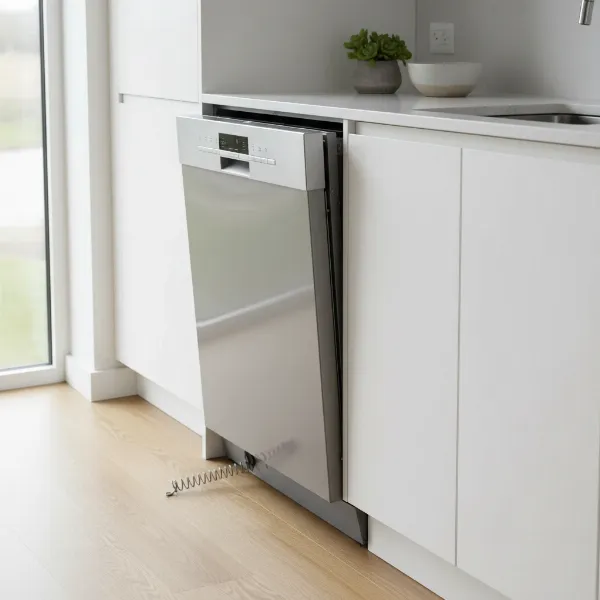
There’s little more disheartening than opening your dishwasher after a cycle, expecting the fresh scent of clean dishes, only to be met with an unpleasant odor. Whether it’s a faint mustiness or a strong, unsettling stench, a smelly dishwasher can be a real nuisance, hinting that your appliance isn’t quite as clean as it seems. But don’t despair – you’re not alone, and most dishwasher odors are easily diagnosed and fixed. This comprehensive guide will help you understand what causes those foul smells, how to eliminate them effectively, and simple steps to prevent them from returning.
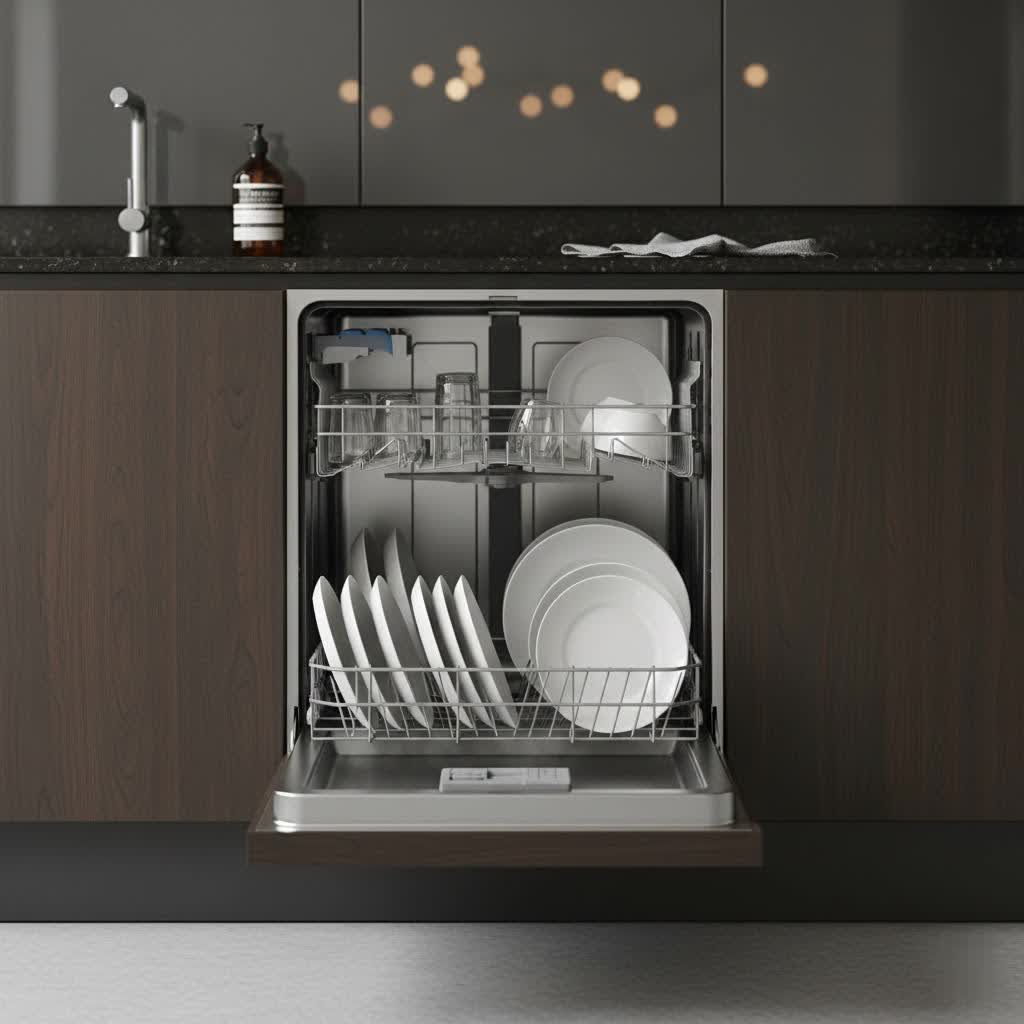
Understanding the Odor: What Your Dishwasher is Trying to Tell You
Different smells often point to specific culprits within your dishwasher. Identifying the type of odor can be the first step toward a successful solution.
- Rotten Egg or Sulfur Smell: This distinct odor typically indicates trapped food particles, especially those rich in sulfur like eggs or certain meats, breaking down within the drain, filter, or spray arms. It can also suggest sulfur bacteria growth or hard water deposits.
- Fishy Smell: A persistent fishy odor often comes from lingering food residues, particularly protein-heavy items, that accumulate in the filter or drain hose. Sometimes, excessive soap scum can trap these particles, intensifying the smell.
- Musty or Moldy Smell: This damp, earthy odor is a classic sign of mold or mildew growth. Warm, moist, and dark environments are perfect breeding grounds, often found on door gaskets, seals, or if stagnant water remains in the tub.
- Burnt Plastic or Chemical Smell: While a new dishwasher might emit a slight plastic or varnish smell for a few weeks (due to sound-deadening materials or motor windings), a strong, sudden burnt plastic smell usually means a piece of non-dishwasher-safe plastic has melted onto the heating element or wiring.
- Sewage Smell: This is often the most alarming. A sewage odor typically points to a serious clog in the drain line, a problem with the garbage disposal connection (if applicable), or even a sewer line issue outside the appliance.
Common Culprits Behind Dishwasher Odors
Understanding the root cause is crucial for tackling the problem effectively. Most unpleasant smells can be traced back to a few common issues.
Food Debris and Residue Buildup
The primary reason for many dishwasher odors is the accumulation of food particles, grease, and grime. Even with modern dishwashers, tiny food bits can cling to dishes and accumulate in hidden areas.
- Dirty Filter: Every dishwasher has a filter designed to catch food scraps and prevent them from recirculating. If this filter isn’t cleaned regularly, trapped food breaks down, creating a foul smell that can transfer to your “clean” dishes.
- Clogged Drain: Food particles and grease can clog the drain, leading to improper water drainage. Stagnant water left at the bottom of the tub is a perfect breeding ground for odor-producing bacteria and mold.
- Spray Arms: The spray arms have tiny jets that can become clogged with food particles or mineral deposits, reducing cleaning efficiency and allowing residue to remain inside the dishwasher.
- Door Gaskets and Seals: The rubber seals around the dishwasher door are prime spots for food particles, grease, and mold to collect. These areas often go unnoticed during routine cleaning.
|
Our Picks for the Best Dishwasher in 2026
As an Amazon Associate I earn from qualifying purchases.
|
||
| Num | Product | Action |
|---|---|---|
| 1 | BLUELAND 100% Plastic-Free Dishwasher Detergent Tablets, 60 Count, Free & Clear, Eco-Friendly Dishwashing Pods, Natural, USDA Certified biobased |

|
| 2 | COMFEE’ Countertop Dishwasher, Energy Star Portable Dishwasher, 6 Place Settings & 8 Washing Programs, Speed, Baby-Care, ECO& Glass, Dish Washer for Dorm, RV& Apartment, Black |
|
| 3 | COMFEE’ Portable Mini Dishwasher, Energy Star, Countertop, 6 Place Settings, with 8 Washing Programs, Speed, Baby-Care, ECO& Glass, Dish Washer for Dorm, RV& Apartment, White |
|
| 4 | Cascade Platinum Plus Dishwasher Pods, Dish Detergent Soap, Clean Scent, 62 Count |
|
| 5 | Honeywell 18 Inch Dishwasher with 8 Place settings, 6 Washing Programs, Stainless Steel Tub, UL/Energy Star- Black |
|
| 6 | Sharp SDW6504MS Stainless Steel Dishwasher, 24-inch Pocket Handle, 52 dB, Hybrid Tub, 12 Place Settings, 5 Cycles, Heated Dry |
|
| 7 | Cascade Complete Dishwasher Detergent Liquid Gel, Dish Detergent, Dishwasher Soap, Citrus, 75oz |
|
| 8 | Kenmore 24" Premium Hybrid Tub Dishwasher - UltraWash, MoreSpace Adjustable Rack, High Temp & SmartWash - 12 Place Settings - 54 DBA - ENERGY STAR Certified - Fingerprint Resistant Stainless Steel |
|
| 9 | Cascade Complete Dishwasher Pods - Fresh Scent ActionPacs, Dishwasher Detergent, Dishwasher Soap, Detergent Pods, 78 Count |
|
| 10 | EUHOMY Countertop Dishwasher Portable with 6 Programs, 5L Built-in Water Tank for Apartments & RV, 167℉ High-Temp, No Hookup Needed, Mini Dishwasher with Baby Care, Air Dry/Quick/ECO/Fruit/Normal Mode |
|
Improper Drainage
Effective drainage is essential for a clean and odor-free dishwasher. Any interruption can lead to lingering smells.
- Clogged Drain Hose: The drain hose can become kinked, blocked by debris, or accumulate sludge, preventing dirty water from exiting the machine properly. This results in stagnant water and bacterial growth.
- Air Gap Issues: If your dishwasher has an air gap (a small cylindrical fitting on your countertop), it can also become clogged, leading to drainage problems and odors.
Hard Water Deposits
If you live in an area with hard water, mineral deposits like calcium and magnesium can build up inside your dishwasher. These deposits can trap food particles, reduce cleaning effectiveness, and sometimes even produce a sulfur-like odor.
Infrequent Cleaning or Maintenance
Just like any appliance, your dishwasher requires regular cleaning and maintenance to function optimally and remain odor-free. Neglecting deep cleaning allows grime to build up over time, leading to persistent smells.
Step-by-Step Guide to Eliminate Dishwasher Odors
Ready to banish those bad smells? Follow these steps to deep clean your dishwasher and restore its freshness.
1. Clean the Dishwasher Filter
This is often the quickest fix for many odors.
- Locate: The filter is usually found at the bottom of the dishwasher, often under the lower spray arm. Consult your owner’s manual if you can’t find it.
- Remove: Twist or unclip the filter according to your model’s instructions. You might find a cylindrical filter or a two-part filter system.
- Clean: Rinse the filter under warm running water to remove large food particles. Use an old toothbrush or a soft brush and a little dish soap to scrub away any stuck-on grime or greasy film.
- Replace: Reinstall the clean filter, ensuring it’s securely in place to prevent leaks.
2. Inspect and Clean the Door Gasket and Interior
The rubber seals around the door are notorious for trapping grime.
- Wipe Down: Open the dishwasher door and carefully pull back the rubber gasket. Use a damp cloth or sponge soaked in warm, soapy water (or a mix of equal parts white vinegar and water) to wipe away any food residue, grease, or mold.
- Dry Thoroughly: Once clean, dry the gasket completely with a clean towel to prevent mildew from reforming.
- Clean Interior Walls: Wipe down the interior walls, especially around the edges and corners, where grime can accumulate.
3. Clean the Interior with Vinegar
White vinegar is a natural disinfectant and deodorizer.
- Empty Dishwasher: Ensure your dishwasher is completely empty.
- Add Vinegar: Place a dishwasher-safe bowl (or a measuring cup) filled with 1-2 cups of distilled white vinegar on the top rack.
- Run Cycle: Run the dishwasher on its hottest cycle. The vinegar will mix with the hot water, sanitizing and deodorizing the interior. Do not add detergent during this cycle.
4. Deodorize with Baking Soda
Baking soda is excellent at absorbing residual odors.
- After Vinegar Cycle: Once the vinegar cycle is complete, sprinkle about 1 cup of baking soda across the bottom of the dishwasher.
- Run Short Cycle: Run a short hot water cycle (without detergent or dishes). The baking soda will help neutralize any lingering smells.
5. Address Spray Arm Clogs
Blocked spray arms can lead to ineffective cleaning and residue buildup.
- Remove and Inspect: If possible, remove the spray arms (check your manual for instructions). Look closely at the small holes for any food particles or mineral deposits.
- Clear Obstructions: Use a toothpick, a small wire, or a straightened paperclip to poke through any blocked holes. Rinse the spray arms thoroughly before reattaching them.
6. Check the Drain for Obstructions
If smells persist, a deeper drain clog might be the issue.
- Visual Check: After removing the filter, look into the drain opening at the bottom of the tub for any visible obstructions. Carefully remove any accessible debris.
- Consider Garbage Disposal: If your dishwasher drains into a garbage disposal, ensure the disposal is clear and frequently run. Run it with a few ice cubes and lemon peels to clean and freshen it.
- Professional Help: If you suspect a deeper clog in the drain line that you cannot reach, or if the problem persists, it’s best to call a qualified plumber or appliance technician. A sewage smell definitely warrants professional inspection.
7. Tackle Hard Water Buildup
For hard water issues, descaling is key.
- Descaler: Use a commercial dishwasher descaler product, following the manufacturer’s instructions.
- Vinegar Again: Alternatively, you can run an empty cycle with white vinegar more frequently (once a month) to combat mineral buildup.
8. Consider Commercial Cleaners
Products specifically designed for dishwasher cleaning can be very effective.
- Dishwasher Cleaner Tabs/Liquids: Brands like Affresh or Finish offer cleaners that are designed to clean hard-to-reach areas and dissolve grease and grime. Use them as directed, typically by placing a tablet or bottle in an empty dishwasher and running a hot cycle.
Preventing Future Dishwasher Smells: Best Practices
An ounce of prevention is worth a pound of cure, especially when it comes to keeping your dishwasher smelling fresh.
- Pre-Scrape Your Dishes: While modern dishwashers can handle some food, it’s always a good idea to scrape off large food particles before loading. However, avoid excessive pre-rinsing, as some detergents need food particles to activate their enzymes.
- Regular Maintenance Schedule: Make it a habit to clean your dishwasher filter at least once a month. Wipe down the door gasket weekly.
- Air Dry After Use: After a cycle is complete, leave the dishwasher door slightly ajar to allow the interior to air dry. This prevents moisture from lingering and inhibits mold and mildew growth.
- Proper Loading: Avoid over-stacking your dishwasher. Ensure there’s enough space between dishes for water and detergent to circulate effectively, allowing for thorough cleaning and rinsing.
- Periodic Deep Cleaning: Run a vinegar and/or baking soda cycle every 1-2 months as a preventative measure.
- Use Quality Detergent: A good quality dishwasher detergent can help prevent residue buildup.
When to Call a Professional
While most dishwasher odors can be resolved with DIY cleaning and maintenance, some situations warrant professional attention:
- Persistent Sewage Smell: If the sewage smell doesn’t dissipate after thorough cleaning and checking the garbage disposal, it might indicate a more serious plumbing issue with your main sewer line.
- Severe Clogs: If you cannot clear a clog in the drain or drain hose, or if water is consistently backing up, a professional plumber or appliance technician can diagnose and fix the issue.
- Appliance Malfunction: If you notice strange noises, leaks, or your dishwasher isn’t draining or cleaning effectively even after maintenance, it could indicate a mechanical problem requiring an expert.
Conclusion
A smelly dishwasher is certainly an unpleasant surprise, but it’s rarely a sign of doom for your appliance. By understanding the common causes, performing regular maintenance, and implementing a consistent cleaning routine, you can easily banish those foul odors and ensure your dishwasher remains a hardworking, hygienic hero in your kitchen. From simple filter cleanings to deep vinegar rinses, taking proactive steps will keep your machine sparkling and your dishes truly clean and fresh. What’s your secret weapon against dishwasher odors?
Frequently Asked Questions
Why does my dishwasher smell like rotten eggs specifically?
A rotten egg or sulfur smell in your dishwasher is commonly caused by food particles, especially those high in protein like eggs or meat, trapped in the filter or drain. These particles decompose and create sulfur-producing bacteria. It can also be exacerbated by standing water or hard water deposits.
Can a dirty dishwasher make my dishes smell?
Yes, absolutely. If your dishwasher has a lingering bad odor, it often means that bacteria and food residue are present inside the machine. During a wash cycle, these odors can transfer to your “clean” dishes, leaving them with an unpleasant smell even after washing.
How often should I clean my dishwasher to prevent smells?
For optimal performance and to prevent odors, aim to clean your dishwasher filter at least once a month. A deep clean using vinegar and baking soda should be performed every 1-3 months, depending on usage and water hardness. Wiping down door gaskets weekly is also a good practice.
Is it safe to use a dishwasher that smells bad?
While often not immediately dangerous, using a smelly dishwasher is unhygienic and can affect the cleanliness of your dishes. The odors indicate the presence of bacteria, mold, or decomposing food. It’s best to address the smell promptly to ensure proper sanitation and effective cleaning.