Few things are more frustrating than opening your dishwasher after a cycle, expecting sparkling clean dishes, only to find a half-dissolved tablet lurking at the bottom or stuck in its dispenser. This common dishwasher dilemma not only leaves your dishes dirty but also wastes detergent and energy. If you’ve ever wondered, “Why is my dishwasher not dissolving the tablet?”, you’re not alone. This guide will explore the most common culprits behind this issue and provide practical, step-by-step solutions to ensure your dishwasher operates at its best, leaving you with perfectly clean dishes every time.
Understanding Dishwasher Detergent Tablets
Dishwasher detergent tablets, often called pods, are designed for convenience, offering a pre-measured dose of cleaning power. These compact units typically contain enzymes, cleaning agents, and sometimes rinse aid, all encased in a soluble film that breaks down during the wash cycle. For a tablet to work effectively, it needs adequate hot water, proper water circulation, and an unobstructed pathway to dissolve completely and distribute its cleaning ingredients throughout the dishwasher. When any of these elements are compromised, the tablet can remain undissolved, leading to residue on dishes and suboptimal cleaning.
Common Culprits: Why Your Dishwasher Tablet Stays Intact
Identifying the root cause of your undissolved dishwasher tablet is the first step toward a solution. Several factors can interfere with the tablet’s dissolution process, from simple user errors to mechanical malfunctions.
Improper Loading and Dispenser Blockage
|
Our Picks for the Best Dishwasher in 2026
As an Amazon Associate I earn from qualifying purchases.
|
||
| Num | Product | Action |
|---|---|---|
| 1 | Cascade Complete Dishwasher Detergent Liquid Gel, Dish Detergent, Dishwasher Soap, Citrus, 75oz |

|
| 2 | Cascade Platinum Plus Dishwasher Pods, Dish Detergent Soap, Clean Scent, 62 Count |
|
| 3 | COMFEE’ Countertop Dishwasher, Energy Star Portable Dishwasher, 6 Place Settings & 8 Washing Programs, Speed, Baby-Care, ECO& Glass, Dish Washer for Dorm, RV& Apartment, Black |
|
| 4 | Sharp SDW6504MS Stainless Steel Dishwasher, 24-inch Pocket Handle, 52 dB, Hybrid Tub, 12 Place Settings, 5 Cycles, Heated Dry |
|
| 5 | Kenmore 24" Premium Hybrid Tub Dishwasher - UltraWash, MoreSpace Adjustable Rack, High Temp & SmartWash - 12 Place Settings - 54 DBA - ENERGY STAR Certified - Fingerprint Resistant Stainless Steel |
|
| 6 | COMFEE’ Portable Mini Dishwasher, Energy Star, Countertop, 6 Place Settings, with 8 Washing Programs, Speed, Baby-Care, ECO& Glass, Dish Washer for Dorm, RV& Apartment, White |
|
| 7 | Cascade Complete Dishwasher Pods - Fresh Scent ActionPacs, Dishwasher Detergent, Dishwasher Soap, Detergent Pods, 78 Count |
|
| 8 | Honeywell 18 Inch Dishwasher with 8 Place settings, 6 Washing Programs, Stainless Steel Tub, UL/Energy Star- Black |
|
| 9 | BLUELAND 100% Plastic-Free Dishwasher Detergent Tablets, 60 Count, Free & Clear, Eco-Friendly Dishwashing Pods, Natural, USDA Certified biobased |
|
| 10 | EUHOMY Countertop Dishwasher Portable with 6 Programs, 5L Built-in Water Tank for Apartments & RV, 167℉ High-Temp, No Hookup Needed, Mini Dishwasher with Baby Care, Air Dry/Quick/ECO/Fruit/Normal Mode |
|
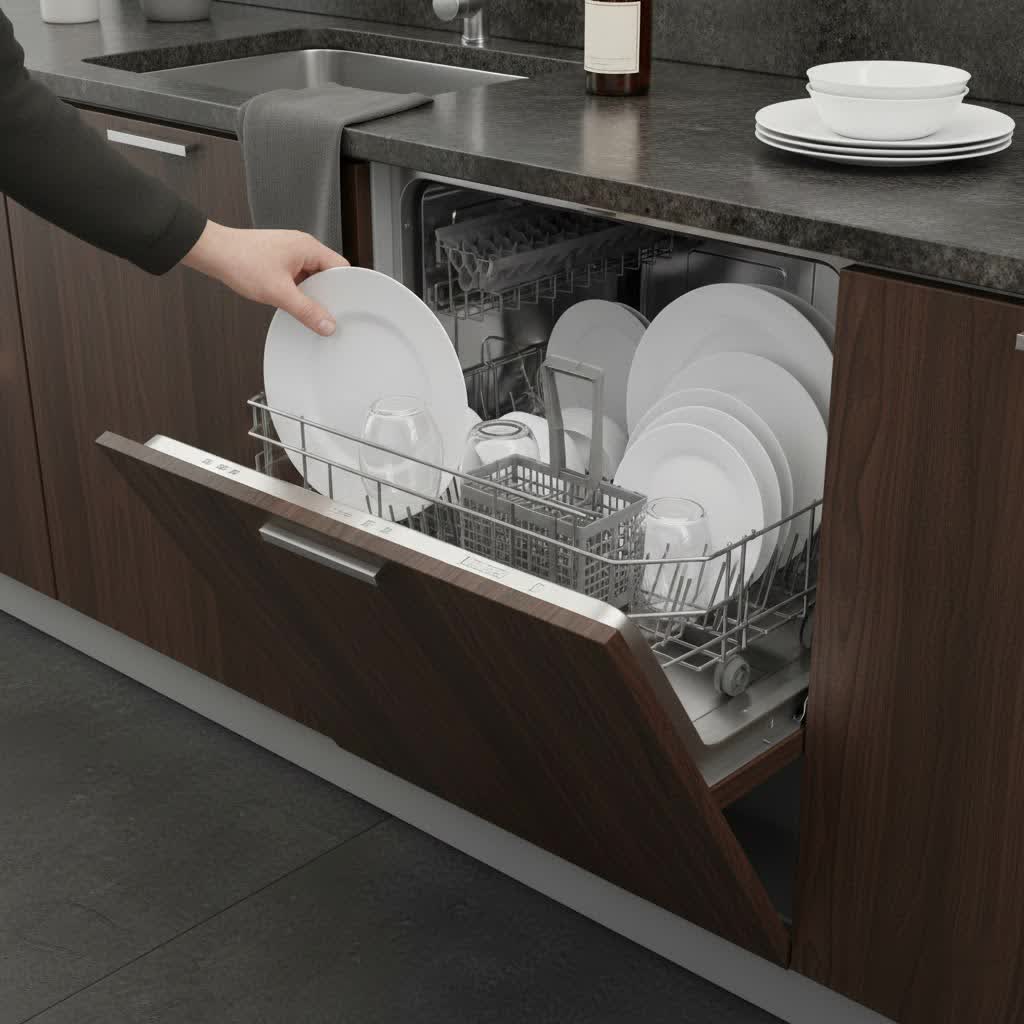
One of the most frequent reasons for undissolved tablets is improper loading. If dishes, particularly larger items like platters or cutting boards, block the detergent dispenser door, it might not open fully or at the right time. Similarly, overcrowding the dishwasher can prevent water from circulating freely, meaning the tablet might not get enough direct water flow to dissolve efficiently. When dishes are packed too tightly, water jets cannot reach all surfaces, including the detergent compartment.
Insufficient Water Temperature
Hot water is crucial for activating and dissolving dishwasher detergents, especially tablets. Most tablets are formulated to dissolve best in water between 120°F and 150°F (approximately 49°C to 65°C). If the water entering your dishwasher isn’t hot enough, the tablet’s soluble casing might not break down completely, or the cleaning agents within may not activate properly. Factors like a water heater set too low, excessive hot water usage elsewhere in the house, or a long distance from the water heater to the dishwasher can all contribute to low water temperature.
A Malfunctioning Detergent Dispenser
Sometimes, the issue lies directly with the dispenser itself. Over time, food debris, detergent residue, or mineral buildup can accumulate in the dispenser, causing the latch to stick or preventing the door from opening smoothly. A physically damaged dispenser door or a faulty spring mechanism can also be culprits. Additionally, if the dispenser tray is damp when you place the tablet inside, the tablet might start dissolving prematurely and get stuck before the wash cycle even begins.
Clogged or Damaged Spray Arms
The spray arms in your dishwasher are responsible for distributing water and dissolved detergent throughout the appliance. If the small holes (nozzles) on these arms become clogged with food particles, mineral deposits, or other debris, the water flow can be significantly reduced or misdirected. This means the tablet might not receive sufficient water pressure to dissolve, or the cleaning solution might not reach all parts of the dishwasher, leading to dirty dishes and undissolved tablet remnants.
Low Water Pressure or Inadequate Water Supply
Your dishwasher needs a consistent and adequate supply of water to function correctly. Low water pressure entering the dishwasher can hinder the tablet’s dissolution. This could be due to a kinked or crushed water inlet hose, a clogged water inlet screen, or even a faulty water inlet valve that isn’t allowing enough water into the machine. Without enough water, the tablet simply won’t have the volume needed to dissolve thoroughly.
The Impact of Hard Water
Hard water, which contains high levels of minerals like calcium and magnesium, can significantly interfere with how dishwasher tablets perform. These minerals can react with the detergent, reducing its effectiveness and making it harder for the tablet to dissolve completely. Hard water can also lead to mineral buildup inside the dishwasher, further exacerbating issues with spray arms, filters, and dispensers, ultimately affecting the tablet’s ability to break down.
A Clogged Dishwasher Filter
The dishwasher filter traps food particles and debris, preventing them from being redeposited on your dishes. If this filter becomes severely clogged, it can restrict water circulation within the dishwasher. Reduced water flow and pressure mean the tablet might not be exposed to enough moving water to dissolve properly, leading to poor cleaning performance and undissolved detergent.
Detergent Tablet Quality or Compatibility
While less common, the type or quality of the detergent tablet itself can sometimes be the issue. Some budget or eco-friendly tablets may be formulated differently and require specific water temperatures or longer wash cycles to dissolve fully. If you’re using a quick or eco-wash cycle, a larger, more compact tablet might not have enough time or sufficiently hot water to dissolve completely before the cycle ends.
Step-by-Step Solutions: Getting Your Dishwasher Back on Track
Now that you understand the potential causes, let’s look at how you can troubleshoot and fix the problem of an undissolved dishwasher tablet.
1. Optimize Your Dishwasher Loading
Before starting a cycle, take a moment to load your dishwasher correctly. Ensure that no dishes, especially tall items like baking sheets or cutting boards, are obstructing the detergent dispenser door. Leave enough space between dishes for water to circulate freely and reach all corners of the machine. Avoid overcrowding the racks, as this can impede both water flow and the proper dispersal of detergent.
2. Verify and Adjust Water Temperature
Run the hot water at your kitchen sink for a minute or two before starting the dishwasher. This ensures that hot water is readily available. Check your home’s water heater settings; it should typically be set to deliver water at around 120-125°F (49-52°C). If you suspect your dishwasher isn’t heating water sufficiently, consult your appliance manual for temperature adjustment options or consider scheduling a professional inspection if it seems to be a heating element issue.
3. Clean and Inspect the Detergent Dispenser
Regularly clean the detergent dispenser to remove any old detergent residue or food particles. Use a small brush, a damp cloth, or even a toothpick to clear out any gunk from the latch and around the edges. Always ensure the dispenser compartment is completely dry before placing a new tablet inside to prevent premature dissolution and sticking. If the dispenser door appears physically damaged or its spring mechanism is faulty, it may need to be replaced.
4. Maintain and Clear Spray Arms
Inspect both the upper and lower spray arms for any clogged nozzles. Use a toothpick or a small piece of wire to dislodge food particles or mineral deposits from the holes. While doing this, ensure that the spray arms can rotate freely without hitting any dishes. Sometimes, a dish loaded too high or an item falling through the rack can impede the spray arm’s movement.
5. Ensure Proper Water Supply and Pressure
Check the water inlet hose behind your dishwasher for any kinks, twists, or obstructions. Ensure it’s not crushed against the wall. Locate the water inlet screen (usually at the connection point of the water supply line to the dishwasher) and clean any debris that might be restricting water flow. If these steps don’t improve water pressure, or if you suspect a faulty water inlet valve, it’s best to contact a qualified appliance technician.
6. Address Hard Water Issues
If you live in an area with hard water, consider using a dishwasher rinse aid, which helps to break down minerals and improve drying. Some dishwashers also have a built-in water softener, or you might consider adding a descaler product periodically to combat mineral buildup. For severe hard water problems, a whole-house water softener might be a long-term solution.
7. Regularly Clean the Dishwasher Filter
Your dishwasher’s filter should be cleaned regularly – ideally once a month, or more often if you frequently wash heavily soiled dishes. Most filters are easy to remove and can be rinsed under running water to clear away trapped food particles. A clean filter ensures optimal water circulation and prevents debris from being redeposited on your dishes.
8. Choose the Right Dishwasher Tablet
Experiment with different brands or types of dishwasher tablets to find one that dissolves reliably in your machine and with your water conditions. If you primarily use shorter or eco-friendly cycles, opt for tablets that are known for quick dissolution. In some cases, switching to a high-quality liquid or powder detergent might be a better option if tablet issues persist.
When to Seek Professional Help
While many dishwasher tablet dissolving issues can be resolved with simple DIY troubleshooting, some problems require expert intervention. If you’ve tried all the above steps and your dishwasher tablet still isn’t dissolving, or if you notice other symptoms like unusual noises, leaks, error codes, or a complete lack of water filling, it’s time to call a professional appliance repair technician. They can diagnose and repair more complex mechanical issues, such as a failing circulation pump, a defective water inlet valve, or a malfunctioning heating element.
Conclusion
An undissolved dishwasher tablet is a clear sign that something isn’t quite right with your appliance’s cleaning process. By understanding the common causes—from improper loading and low water temperature to issues with spray arms or water supply—you’re well-equipped to troubleshoot the problem. Taking the time to properly load your dishwasher, ensure adequate water temperature, and perform routine maintenance like cleaning filters and spray arms can significantly improve your dishwasher’s performance. With these tips, you can enjoy the convenience of your dishwasher and the satisfaction of consistently clean dishes. What steps will you take first to ensure your dishwasher tablets dissolve perfectly every time?
Frequently Asked Questions
How does hard water affect dishwasher tablets?
Hard water, rich in minerals like calcium and magnesium, can hinder dishwasher tablets from dissolving properly by reacting with the detergent. These minerals can reduce the cleaning agents’ effectiveness and lead to mineral buildup, which further obstructs water flow and tablet dissolution. Using a rinse aid or a water softener can help mitigate these effects.
What is the ideal water temperature for dissolving dishwasher tablets?
Most dishwasher tablets perform optimally when the water temperature is between 120°F and 150°F (approximately 49°C to 65°C). Water that is too cold will not allow the tablet’s soluble casing to break down efficiently or activate the detergent’s cleaning enzymes, resulting in undissolved residue.
Can I use any dishwasher tablet in my machine?
While most modern dishwashers are compatible with various tablet brands, some tablets might be better suited for specific cycles or water conditions. Larger, more compact tablets may require longer, hotter cycles to dissolve fully. It’s advisable to check your dishwasher manual for any detergent recommendations and to experiment with different brands if you encounter dissolution problems.
How often should I clean my dishwasher to prevent dissolving issues?
To prevent issues like undissolved tablets, it’s recommended to clean your dishwasher’s filter monthly and wipe down the interior and dispenser area regularly. A deeper clean, including descaling to remove mineral buildup, can be beneficial every few months, especially if you have hard water.
What are the signs of a faulty detergent dispenser?
Signs of a faulty detergent dispenser include the door not opening at all during a cycle, the door opening too late, or visible damage such as cracks or a loose latch. Residue buildup that prevents smooth operation can also indicate a need for cleaning or potential repair.