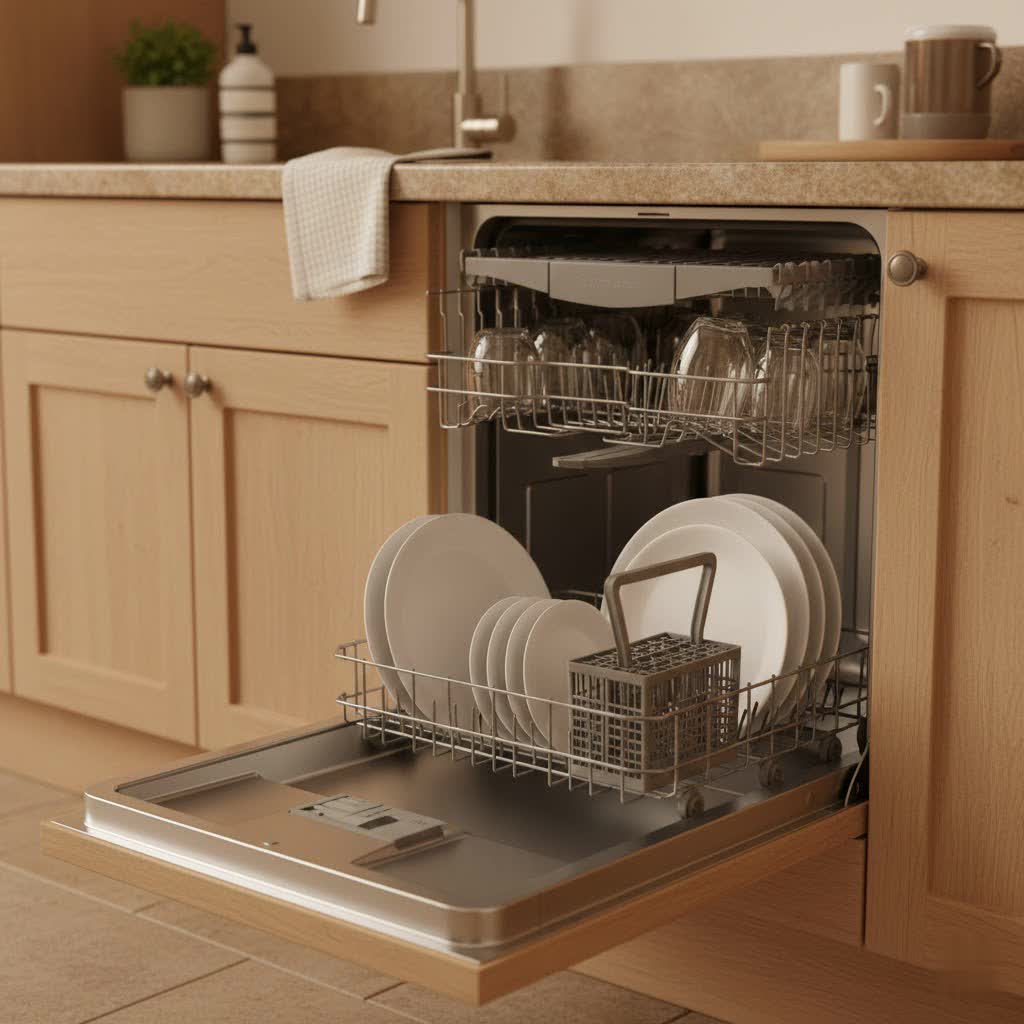
Choosing the right dishwasher for your kitchen is more than just picking a brand; it’s about finding a design that seamlessly integrates into your lifestyle and kitchen layout. For years, the traditional drop-down door dishwasher reigned supreme, a familiar workhorse in countless homes. However, a newer contender has emerged: the dishwasher drawer, promising a fresh take on daily clean-up with its unique design and operational flexibility. As kitchens evolve to prioritize efficiency, ergonomics, and sleek aesthetics, understanding the distinct advantages and disadvantages of each style is crucial. This comprehensive guide will dissect the core differences between dishwasher drawers and classic drop-down models, helping you determine which best suits your household’s needs and culinary habits.
What are Dishwasher Drawers?
Dishwasher drawers, also known as dish drawers, represent a modern alternative to the conventional single-door appliance. Instead of one large tub accessed by a drop-down door, these units feature one or two pull-out drawers that operate much like a filing cabinet. Each drawer functions independently, allowing you to run small loads in one compartment without activating the other. This innovative design offers enhanced flexibility, making it possible to wash different types of items or varying load sizes separately. Available as single or double drawer units, they integrate smoothly into cabinetry, providing a sleek, often panel-ready appearance that blends with contemporary kitchen designs.
What are Drop-Down Door Dishwashers?
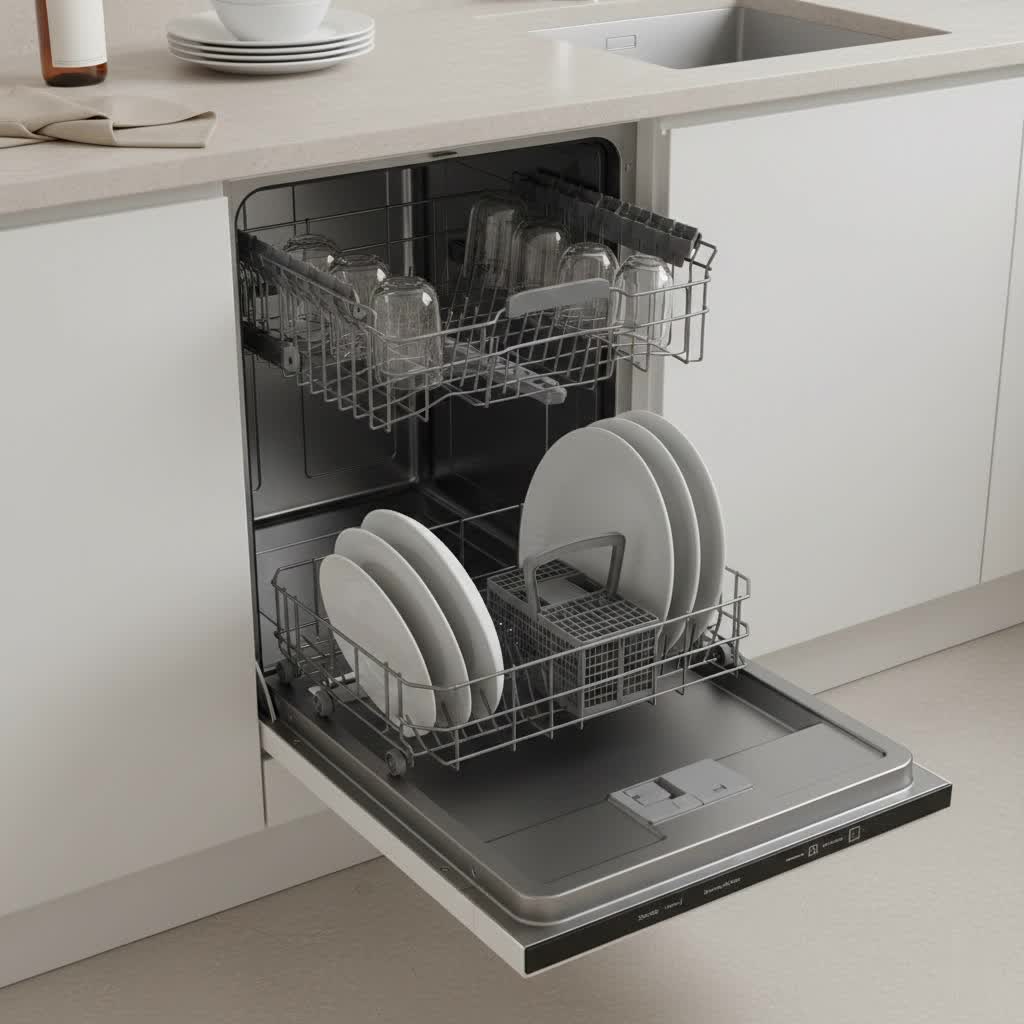
The drop-down door dishwasher is the traditional and most widely recognized style of dishwasher. Installed under the kitchen counter, this appliance features a single large door that opens forward and down, revealing a spacious interior with racks for dishes, glasses, and cutlery. Connected to your home’s plumbing and electrical systems, these built-in units are a standard choice for most households. Their design has been refined over generations, offering robust cleaning capabilities and a familiar user experience. They are designed to handle full loads, accommodating a wide range of dishware, from everyday plates to oversized pots and pans.
Key Comparison Factors
When deciding between dishwasher drawers and drop-down door styles, several factors come into play. Each design offers distinct benefits and drawbacks depending on your kitchen’s specifics, your family’s size, and your daily dishwashing routine.
Space and Kitchen Layout
|
Our Picks for the Best Dishwasher in 2026
As an Amazon Associate I earn from qualifying purchases.
|
||
| Num | Product | Action |
|---|---|---|
| 1 | Kenmore 24" Premium Hybrid Tub Dishwasher - UltraWash, MoreSpace Adjustable Rack, High Temp & SmartWash - 12 Place Settings - 54 DBA - ENERGY STAR Certified - Fingerprint Resistant Stainless Steel |

|
| 2 | COMFEE’ Portable Mini Dishwasher, Energy Star, Countertop, 6 Place Settings, with 8 Washing Programs, Speed, Baby-Care, ECO& Glass, Dish Washer for Dorm, RV& Apartment, White |
|
| 3 | Cascade Complete Dishwasher Detergent Liquid Gel, Dish Detergent, Dishwasher Soap, Citrus, 75oz |
|
| 4 | BLUELAND 100% Plastic-Free Dishwasher Detergent Tablets, 60 Count, Free & Clear, Eco-Friendly Dishwashing Pods, Natural, USDA Certified biobased |
|
| 5 | Honeywell 18 Inch Dishwasher with 8 Place settings, 6 Washing Programs, Stainless Steel Tub, UL/Energy Star- Black |
|
| 6 | Cascade Complete Dishwasher Pods - Fresh Scent ActionPacs, Dishwasher Detergent, Dishwasher Soap, Detergent Pods, 78 Count |
|
| 7 | EUHOMY Countertop Dishwasher Portable with 6 Programs, 5L Built-in Water Tank for Apartments & RV, 167℉ High-Temp, No Hookup Needed, Mini Dishwasher with Baby Care, Air Dry/Quick/ECO/Fruit/Normal Mode |
|
| 8 | Cascade Platinum Plus Dishwasher Pods, Dish Detergent Soap, Clean Scent, 62 Count |
|
| 9 | Sharp SDW6504MS Stainless Steel Dishwasher, 24-inch Pocket Handle, 52 dB, Hybrid Tub, 12 Place Settings, 5 Cycles, Heated Dry |
|
| 10 | COMFEE’ Countertop Dishwasher, Energy Star Portable Dishwasher, 6 Place Settings & 8 Washing Programs, Speed, Baby-Care, ECO& Glass, Dish Washer for Dorm, RV& Apartment, Black |
|
The physical footprint and operational clearance of a dishwasher significantly impact kitchen functionality, especially in smaller or galley-style layouts.
Dishwasher drawers are often more compact and require less vertical space, making them ideal for smaller kitchens or apartments where a full-size unit might not fit. Crucially, their drawer configuration means you only need to pull the drawer open a few inches to load or unload dishes. This partial opening allows better access to the rest of the kitchen, preventing blocked pathways that can occur with a fully lowered door. This design also provides flexibility, allowing drawers to be placed under part of the counter while leaving the remaining space free for other storage or trash bins.
In contrast, a traditional drop-down dishwasher requires the door to fully extend forward, typically about 21 inches, which can significantly inhibit movement and block access in tight kitchen spaces. This full door extension can create an obstruction, particularly when loading or unloading the bottom rack.
Capacity and Load Flexibility
The capacity and how easily a dishwasher accommodates varying load sizes are paramount for many homeowners.
Dishwasher drawers excel in flexibility, as each drawer operates independently. This means you can run a small load in one drawer without waiting for a full capacity, potentially saving water and energy. This feature is particularly beneficial for small households, couples, or those who frequently wash specific items like baby bottles or delicate glassware. However, individually, dishwasher drawers have a smaller capacity and may struggle to fit very large items like oversized pots, pans, or a full dinner set for a large gathering.
Traditional drop-down door dishwashers generally offer a larger overall capacity within a single tub, making them better suited for families, frequent entertainers, or those who cook large meals regularly. Their spacious interiors and robust rack systems are designed to handle a full range of dishware, including bulky pots and pans, in a single cycle. While many modern drop-down models offer half-load options, they are often less efficient for truly small loads compared to the independent operation of dish drawers.
Ergonomics and Ease of Use
Ergonomics play a vital role in the daily convenience of a dishwasher, particularly for individuals with back issues or mobility concerns.
Dishwasher drawers offer superior ergonomics because their pull-out design significantly reduces the need for bending, stooping, or reaching. Loading and unloading from above is often perceived as more comfortable and direct, easing strain on the back. This accessible design makes them a popular choice for ADA-friendly kitchen layouts. Furthermore, the ability to open a drawer partially means other people can move freely around the kitchen while the dishwasher is being loaded or unloaded.
With a traditional drop-down door dishwasher, accessing the bottom rack requires considerable bending, which can be challenging for some users. While upper racks are typically at a comfortable height, the lower rack often necessitates leaning over the open door, which can become cumbersome during extensive loading or unloading.
Water and Energy Efficiency
Efficiency is a growing concern for environmentally conscious homeowners looking to reduce utility bills.
Dishwasher drawers can be highly efficient for small or partial loads because each drawer can be run independently. This eliminates the need to wait for a full load or run a half-empty traditional dishwasher, thereby conserving water and energy. This makes them an excellent choice for households that generate dishes incrementally throughout the day.
While modern drop-down dishwashers are engineered to be very energy and water-efficient for full loads, they can be less efficient if run when only partially filled. For optimal efficiency, traditional models typically require a near-full capacity load. However, for large, full loads, a traditional dishwasher might use less water per item than running two separate drawer cycles.
Noise Levels
The operating noise of a dishwasher is a significant factor, especially in open-concept living spaces.
Both dishwasher drawers and modern drop-down door dishwashers are designed with sound insulation technologies to operate quietly. Many models from both categories achieve decibel levels that are barely noticeable, often at or below 45 dB, allowing conversations or television watching without interruption. The specific noise level will depend more on the individual model and manufacturer than on the door style itself.
Cost and Maintenance
Budget considerations and long-term upkeep are practical aspects of any appliance purchase.
Dishwasher drawers can often be pricier per cubic inch of capacity compared to standard built-in models. Their more complex mechanical design, involving independent wash systems for each drawer, may also lead to more components requiring maintenance, potentially resulting in higher long-term servicing costs.
Traditional drop-down dishwashers are generally more established in the market and can be more budget-friendly. Their simpler, single-tub design often translates to fewer complex moving parts, potentially leading to lower maintenance costs over their lifespan. Installation costs can vary for both, depending on the need for new plumbing or cabinetry modifications.
Installation and Design Flexibility
How a dishwasher fits into your kitchen’s overall design aesthetic and installation requirements.
Dishwasher drawers offer considerable design flexibility. They can be installed as a full-size two-drawer unit, a single drawer, or even two single drawers placed side-by-side in different areas of the kitchen. Their flush, integrated design allows for a sleek, streamlined look that can blend seamlessly with custom cabinetry, appealing to homeowners seeking a minimalist or modern aesthetic.
Drop-down door dishwashers typically require a dedicated under-counter slot of standard dimensions. While they offer a clean, integrated look, their installation options are generally less varied than drawer models. They are a staple of traditional kitchen designs but can also be chosen with panel-ready options to match contemporary styles.
Which Style is Right for You?
The “better” dishwasher ultimately depends on your individual preferences, kitchen dynamics, and daily habits. There’s no one-size-fits-all answer, but considering specific scenarios can guide your decision.
Choose Dishwasher Drawers if:
- You have a small household (1-3 people): Their capacity is perfectly suited for smaller daily loads, avoiding wasted space, water, and energy.
- You prioritize ergonomics: If bending is a concern, or you desire a more comfortable loading/unloading experience, the drawer design is a clear winner.
- You value flexibility and efficiency for small loads: The ability to run one drawer independently saves resources when you don’t have a full load.
- Your kitchen has limited space or a galley layout: The reduced door protrusion improves flow and access.
- You want a modern, customizable aesthetic: Drawer dishwashers offer unique integration options to match contemporary kitchen designs.
Choose Drop-Down Door Dishwashers if:
- You have a large family or frequently entertain: Their larger overall capacity is ideal for handling substantial loads, including big pots, pans, and many plates.
- You are budget-conscious: Traditional models often offer a more attractive price point for the capacity provided.
- You prefer a tried-and-true appliance: The robust performance and familiar operation of a standard dishwasher might appeal to you.
- You wash a lot of oversized items: The larger, undivided tub space can more easily accommodate bulky cookware that might not fit in a dishwasher drawer.
“The choice between a drawer and drop-down dishwasher boils down to lifestyle. If you’re a minimalist or have a compact kitchen, drawers offer unmatched flexibility. For bustling family homes, the sheer capacity of a traditional unit is often indispensable.” – Sarah Chen, Kitchen Appliance Specialist
Conclusion
The evolution of dishwashers presents homeowners with more choices than ever before. Both dishwasher drawers and traditional drop-down door styles bring distinct advantages to the table, each designed to cater to different kitchen needs and user preferences. While drop-down dishwashers remain a reliable and spacious option for larger households and heavy-duty cleaning, dishwasher drawers shine in their ergonomic design, space-saving attributes, and efficiency for smaller, more frequent loads.
Ultimately, the best choice hinges on a careful assessment of your household size, cooking habits, kitchen layout, and personal priorities for convenience and design. By weighing the unique benefits of each—from the independent washing cycles of drawers to the generous capacity of traditional units—you can confidently select the dishwasher that not only keeps your dishes sparkling but also enhances the functionality and aesthetic of your cherished kitchen space. Which dishwasher style will revolutionize your daily clean-up routine?
Frequently Asked Questions
Are dishwasher drawers worth the higher cost?
Dishwasher drawers can be worth the higher investment for smaller households or those prioritizing flexibility and ergonomics. Their ability to run small loads independently can lead to energy and water savings over time, and their ease of use is a significant benefit for many.
Can dishwasher drawers clean heavily soiled dishes effectively?
Yes, modern dishwasher drawers are designed to clean dishes effectively. However, their smaller capacity per drawer means very large, heavily soiled pots or pans might require pre-scrubbing or may not fit, making traditional dishwashers often better for such items.
Do dishwasher drawers save more space than traditional dishwashers?
Dishwasher drawers offer space-saving advantages primarily in how they open, requiring less floor clearance than a fully dropped door. While they occupy a similar under-counter footprint, their partial opening is less disruptive in compact kitchens.
Are all dishwasher drawers the same size?
No, dishwasher drawers come in various configurations, including single or double drawer units. While many are designed to fit standard dishwasher openings, their internal capacity and external dimensions can vary between brands and models.