A dishwasher is a modern kitchen essential, simplifying daily chores and keeping your kitchen running smoothly. Yet, few things are as frustrating as a dishwasher door that crashes open unexpectedly or refuses to stay in place, making loading and unloading a cumbersome task. This common issue often points to unbalanced or failing door springs, a problem you can frequently resolve yourself with the right guidance. Understanding and adjusting these springs is key to restoring your appliance’s functionality and safety, ensuring the door glides open and stays put exactly where you need it.
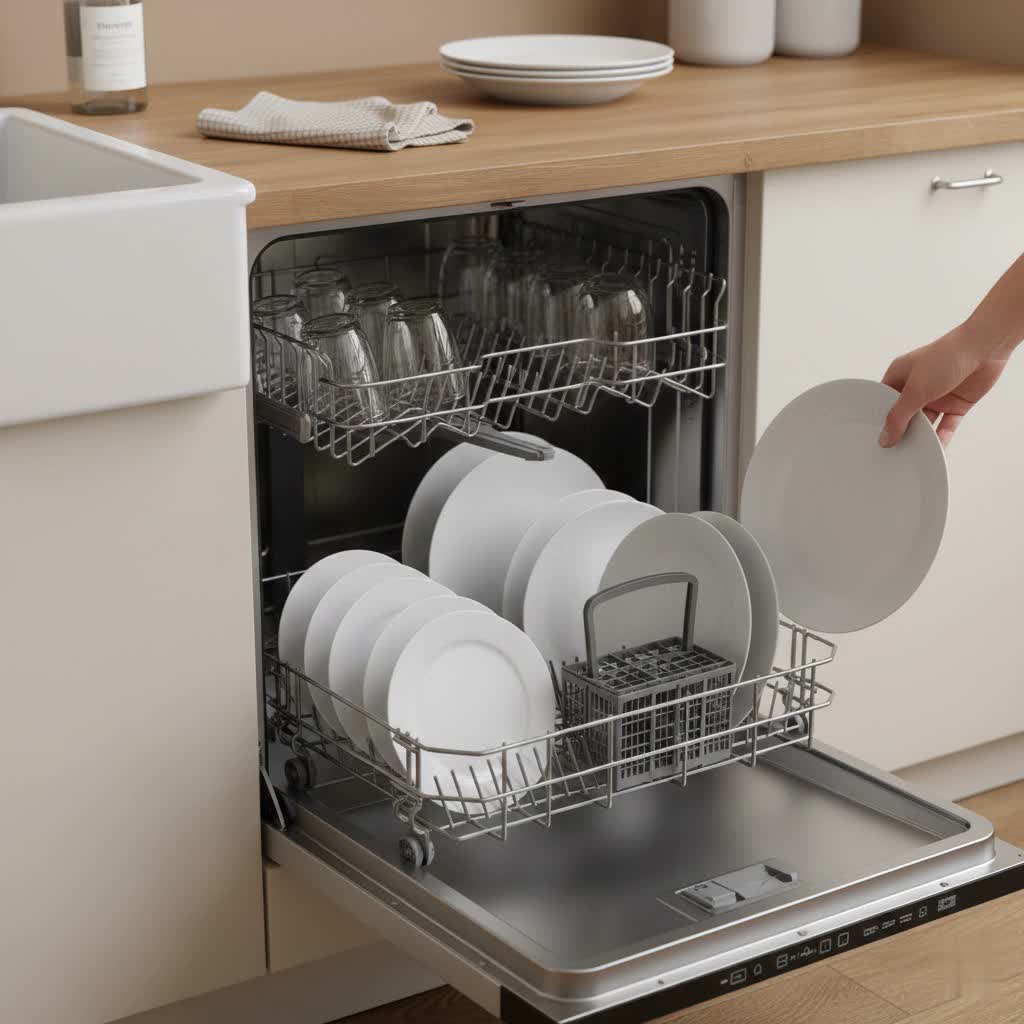
This comprehensive guide will walk you through everything you need to know about balancing your dishwasher door springs, from diagnosing the problem to performing the repair and maintaining your springs for lasting performance. By following these steps, you’ll not only restore your dishwasher’s smooth operation but also potentially save on costly service calls.
Understanding Dishwasher Door Springs and Their Function
Dishwasher door springs are integral to the appliance’s ergonomic design and safe operation. These springs work in conjunction with a tensioning system, often involving cables or pulleys, to counteract the weight of the door. When properly tensioned, they allow the door to open smoothly, remain stable at various angles, and close securely without slamming.
Think of them as the silent balancers of your dishwasher door. They store potential energy when the door is closed, releasing it gradually as you open it, preventing the door from simply dropping. This precise balance is crucial for both convenience and to protect the door, hinges, and surrounding cabinetry from damage. Without correctly balanced springs, the door might become a hazard, difficult to manage, and could even lead to operational problems if the door seal isn’t properly engaged.
Signs of Failing Dishwasher Door Springs
Recognizing the symptoms of unbalanced or failing door springs early can prevent further issues. Pay attention to these common indicators:
- Door Drops Open Too Quickly: If your dishwasher door suddenly falls open with little to no resistance, it’s a clear sign that the springs lack sufficient tension. This can be startling and potentially cause injury or damage.
- Door Slams Shut: Conversely, if the door springs are too tight, the door may slam shut with excessive force when released from an open position, especially a partially open one.
- Door Won’t Stay Open: A door that won’t hold its position at certain angles (like 45 degrees or fully open) and either springs back up or falls down indicates a loss of balance in the spring mechanism.
- Door Feels Heavy: If the door feels unusually heavy when you try to open or close it, the springs may have lost their elasticity or broken, no longer providing adequate counter-balance.
- Visible Sagging or Misalignment: In some cases, you might notice that the dishwasher door sags or appears unevenly aligned with the appliance’s frame, suggesting an issue with one or both springs.
- Unusual Noises: While less common, squeaking or creaking sounds when operating the door could point to worn springs or issues with the cables and pulleys.
|
Our Picks for the Best Dishwasher in 2026
As an Amazon Associate I earn from qualifying purchases.
|
||
| Num | Product | Action |
|---|---|---|
| 1 | COMFEE’ Countertop Dishwasher, Energy Star Portable Dishwasher, 6 Place Settings & 8 Washing Programs, Speed, Baby-Care, ECO& Glass, Dish Washer for Dorm, RV& Apartment, Black |

|
| 2 | Cascade Complete Dishwasher Detergent Liquid Gel, Dish Detergent, Dishwasher Soap, Citrus, 75oz |
|
| 3 | EUHOMY Countertop Dishwasher Portable with 6 Programs, 5L Built-in Water Tank for Apartments & RV, 167℉ High-Temp, No Hookup Needed, Mini Dishwasher with Baby Care, Air Dry/Quick/ECO/Fruit/Normal Mode |
|
| 4 | Cascade Platinum Plus Dishwasher Pods, Dish Detergent Soap, Clean Scent, 62 Count |
|
| 5 | Sharp SDW6504MS Stainless Steel Dishwasher, 24-inch Pocket Handle, 52 dB, Hybrid Tub, 12 Place Settings, 5 Cycles, Heated Dry |
|
| 6 | Honeywell 18 Inch Dishwasher with 8 Place settings, 6 Washing Programs, Stainless Steel Tub, UL/Energy Star- Black |
|
| 7 | COMFEE’ Portable Mini Dishwasher, Energy Star, Countertop, 6 Place Settings, with 8 Washing Programs, Speed, Baby-Care, ECO& Glass, Dish Washer for Dorm, RV& Apartment, White |
|
| 8 | BLUELAND 100% Plastic-Free Dishwasher Detergent Tablets, 60 Count, Free & Clear, Eco-Friendly Dishwashing Pods, Natural, USDA Certified biobased |
|
| 9 | Kenmore 24" Premium Hybrid Tub Dishwasher - UltraWash, MoreSpace Adjustable Rack, High Temp & SmartWash - 12 Place Settings - 54 DBA - ENERGY STAR Certified - Fingerprint Resistant Stainless Steel |
|
| 10 | Cascade Complete Dishwasher Pods - Fresh Scent ActionPacs, Dishwasher Detergent, Dishwasher Soap, Detergent Pods, 78 Count |
|
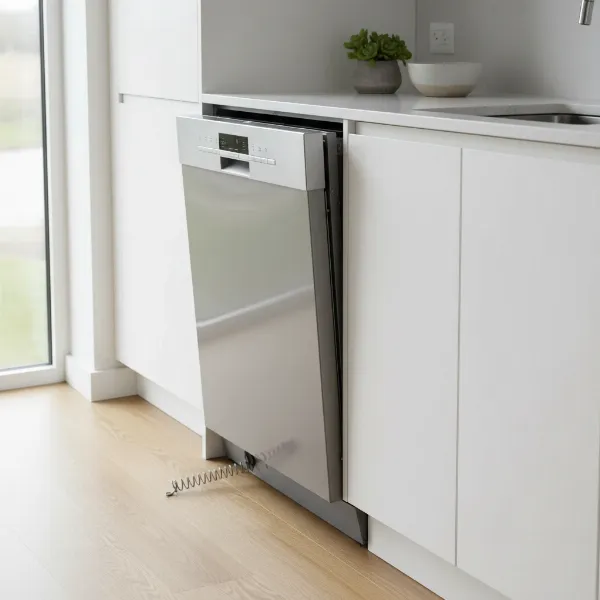 A close-up of a dishwasher door that is sagging, indicating a problem with the door springs.
Common Causes of Unbalanced Dishwasher Doors
An unbalanced dishwasher door isn’t always due to old age. Several factors can contribute to this problem:
- Worn or Damaged Springs: Over time, the constant tension and movement can cause the metal in the springs to fatigue, stretch, or even snap. This is a common wear-and-tear issue.
- Broken or Frayed Cables/Balance Links: Many dishwashers use a system of springs connected to cables or ropes that wrap around pulleys. If these cables fray, stretch, or break, the spring’s ability to balance the door is compromised.
- Incorrect Spring Tension Adjustment: During installation or previous repairs, the springs might have been set to an improper tension, leading to the door being too loose or too tight from the start.
- Spring Misalignment: If a spring becomes dislodged from its hook or bracket, or if the cables come off their pulleys, the tension will be uneven or lost entirely.
- Improper Loading or Use: Repeatedly leaning on an open dishwasher door or overloading it with heavy items can put undue stress on the door springs and their associated mechanisms, leading to premature wear or damage.
- Lack of Lubrication: Friction can increase wear on moving parts. If the spring mechanisms lack proper lubrication, they can become stiff or wear out faster.
Safety First: Before You Begin
Before attempting any repair on your dishwasher, prioritizing safety is paramount. Working with electrical appliances always carries risks, and dealing with springs under tension requires caution.
Crucial Safety Precautions:
- Disconnect Power: Always, without exception, unplug the dishwasher from its electrical outlet or turn off the circuit breaker that supplies power to the appliance. This eliminates the risk of electrical shock.
- Wear Protective Gear: Put on sturdy work gloves to protect your hands from sharp edges or pinch points that might occur during the repair. Safety glasses are also recommended to shield your eyes from any debris or unexpected spring recoil.
- Clear the Workspace: Ensure the area around your dishwasher is free of clutter and obstructions. You’ll need enough space to safely access the appliance.
- Consult Your Manual: While this guide provides general instructions, always refer to your dishwasher’s owner’s manual for specific instructions, diagrams, and safety warnings pertinent to your model.
“Safety is not just a step; it’s the foundation of any successful DIY appliance repair. Never rush or cut corners when dealing with household electricity or mechanical components under tension.”
Tools You’ll Need
Having the right tools on hand will make the job smoother and safer. Here’s a list of commonly required tools:
- Screwdrivers: You’ll likely need both Phillips-head and flathead screwdrivers to remove the kickplate and possibly to adjust certain tensioning mechanisms. A Torx screwdriver might also be needed for some models.
- Nut Driver or Socket Wrench: A 5/16″ nut driver or hex socket is frequently used to remove screws securing tensioners or panels.
- Pliers: These can be helpful for gripping springs, cables, or making minor adjustments to components.
- Work Light (Optional): A flashlight or headlamp can improve visibility in the confined space under the dishwasher.
- Zip Ties or Wire (Optional): For some models, temporarily securing a spring or cable during adjustment can make the process easier and safer.
Step-by-Step Guide to Balancing Dishwasher Door Springs
Adjusting dishwasher door springs is a manageable DIY task for most homeowners. The exact mechanism can vary by brand and model, but the general principles remain consistent.
1. Accessing the Door Springs
The door springs are typically located at the bottom front of the dishwasher, underneath the appliance tub.
- Remove the Toe Kick/Access Panel: The first step is to locate and remove the decorative toe kick panel at the very bottom front of your dishwasher. This panel is usually held in place by two or more screws. Use a screwdriver to remove these screws and carefully pull the panel away.
- Locate the Springs and Cables: Once the toe kick is removed, you should see the door springs on both the left and right sides, often connected to a cable or rope system that runs over a pulley and attaches to the door hinge.
2. Identifying the Spring Mechanism
Dishwasher door spring tension can be adjusted in a few common ways:
- Notches or Holes: Many models, including some Whirlpool and KitchenAid units, have a tensioner bracket with multiple notches or holes (e.g., numbered 1, 2, 3). The spring end hooks into one of these.
- Adjustable Screws: Some dishwashers use screws on the tensioner brackets that can be tightened or loosened to increase or decrease tension.
- Cable/Rope Position: For systems with cables, the tension might be adjusted by changing where the cable attaches to the spring or by repositioning the spring within its bracket.
3. Adjusting Spring Tension
The goal is for the door to stay open at various angles without falling or springing shut. The specific action depends on your dishwasher’s mechanism.
-
For Notched/Holed Systems:
- If the door falls open too quickly (needs more tension): Unhook the spring and move its attachment point further back (towards the rear of the dishwasher) on the tensioner bracket, to a higher-numbered hole if applicable.
- If the door closes too quickly/slams shut (needs less tension): Unhook the spring and move its attachment point further forward (towards the front of the dishwasher) on the tensioner bracket, to a lower-numbered hole if applicable.
- Important: Ensure both left and right springs are adjusted to the same notch or hole to maintain even balance. Use a 5/16″ nut driver or hex socket if screws need to be removed to reposition the tensioner.
-
For Screw-Adjustable Systems:
- To increase tension: Turn the adjustment screw clockwise.
- To decrease tension: Turn the adjustment screw counter-clockwise.
- Make small, equal adjustments to both sides.
-
For Cable/Rope Systems:
- Examine how the cable wraps around its pulley and attaches to the spring or door leg. Some designs allow for adjusting the spring’s position in its bracket (higher for more tension, lower for less). Ensure the cable is securely wrapped around the small wheel and fastened to the dishwasher door leg.
4. Checking the Balance
After making an adjustment, it’s crucial to test the door’s balance before reassembling everything.
- Gently open and close the dishwasher door.
- Release the door at several points, particularly at a 45-degree angle and when fully open.
- The door should hold its position steadily without falling rapidly or springing upwards. If it still falls too quickly, increase tension. If it snaps shut, decrease tension.
- Repeat the adjustment and testing process until you achieve the desired balance. The door should move smoothly and stay put.
5. Reassembling the Dishwasher
Once the door tension is perfectly balanced:
- Reattach the toe kick or access panel, securing it with its original screws.
- Reconnect the dishwasher to its power source by plugging it in or flipping the circuit breaker back on.
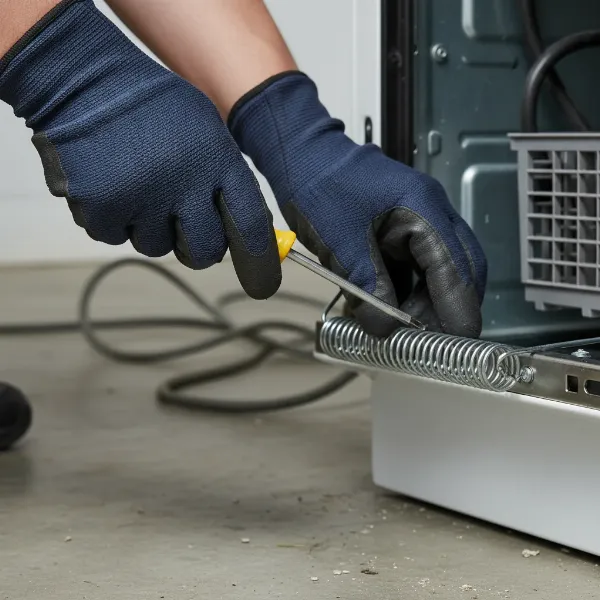 A person's hands adjusting a dishwasher door spring tensioner using a screwdriver.
When to Replace Dishwasher Door Springs
While adjustment can fix many issues, sometimes replacement is the only solution.
- Visible Damage: If you see that a spring is stretched out, corroded, or broken, it needs to be replaced. Likewise, if the associated cable or balance link is frayed or snapped, it must be swapped out.
- Inability to Hold Tension: If you’ve adjusted the springs to their maximum tension and the door still falls open or feels too heavy, the springs have likely lost their elasticity and require replacement.
- Age and Wear: Springs degrade over time. If your dishwasher is old and experiencing door balance issues, new springs might be a more reliable long-term fix than repeated adjustments.
When replacing, ensure you purchase springs specifically designed for your dishwasher’s make and model. Using incorrect parts can lead to improper function and further damage.
Professional Help vs. DIY
Tackling dishwasher repairs yourself can be rewarding and cost-effective, but there are instances when calling a professional is the wiser choice.
Consider a Professional if:
- You’re Uncomfortable: If you’re unsure about any step of the process, or if the repair seems too complex, it’s always best to call a qualified appliance technician. Your safety and the proper functioning of your appliance are paramount.
- Persistent Problems: If you’ve adjusted or even replaced the springs, and the door still isn’t balancing correctly, there might be a more complex underlying issue, such as damaged hinges or structural problems, that a professional can diagnose.
- Other Symptoms: If you notice additional problems like water leaks, unusual noises during operation, or the dishwasher failing to start, these could indicate larger issues beyond just the door springs.
- Under Warranty: If your dishwasher is still under manufacturer warranty, attempting DIY repairs might void it. Check your warranty terms before proceeding.
Maintenance Tips for Dishwasher Door Springs
A little preventative care can significantly extend the life of your dishwasher door springs and ensure smooth operation.
- Regular Inspection: Periodically inspect the springs, cables, and pulleys (when the toe kick is removed for cleaning or other maintenance) for any signs of wear, rust, or damage. Early detection can prevent more significant problems.
- Keep the Area Clean: Dust, grease, and food debris can accumulate around the springs and tension mechanisms. Keep this area clean to prevent obstructions and excessive wear.
- Lubrication (Sparingly): If you notice stiffness or minor squeaking, a small amount of dishwasher-safe silicone spray applied to the moving parts of the spring mechanism can reduce friction. Avoid over-lubricating, as it can attract more dirt. Always check your dishwasher’s manual for recommended lubricants.
- Avoid Leaning on the Door: Remind family members not to lean or put excessive weight on an open dishwasher door. This habit puts undue stress on the springs and hinges.
- Gentle Operation: Always open and close the dishwasher door gently. Slamming it shut or forcing it open can strain the spring system.
Conclusion
A well-balanced dishwasher door is essential for both the convenience and safety of your kitchen. From a door that crashes open to one that refuses to stay in place, issues with door springs can disrupt your daily routine. Fortunately, by understanding how these springs work, identifying the common signs of imbalance, and following a few simple adjustment steps, you can often restore your dishwasher to optimal working condition.
Remember to prioritize safety by disconnecting power and wearing protective gear before starting. Whether it’s a simple tension adjustment or a full spring replacement, the effort you put into maintaining your dishwasher door springs will pay off in smoother operation and a longer lifespan for your appliance. Don’t let a wobbly door frustrate you any longer – take control and get your dishwasher back in balance. What small maintenance task will you tackle next to keep your home running smoothly?
Frequently Asked Questions
What are the main signs that my dishwasher door springs need adjustment?
The primary signs include the dishwasher door falling open too quickly, slamming shut unexpectedly, or failing to stay open at various angles, such as 45 degrees. You might also notice the door feeling unusually heavy or appearing to sag.
How do I know if I need to replace the dishwasher door springs or just adjust them?
If the springs are visibly broken, heavily corroded, or stretched out, replacement is necessary. If the door still won’t balance after adjusting the tension to its maximum setting, replacement is also likely required. Minor issues where the door is slightly too loose or too tight can often be resolved with an adjustment.
What tools are typically required to balance dishwasher door springs?
You will generally need a Phillips-head or flathead screwdriver to remove the toe kick panel, and sometimes a 5/16″ nut driver or hex socket to access and adjust the spring tensioners. Pliers can also be useful for handling springs and cables.
Is it safe to adjust dishwasher door springs myself?
Yes, it can be a safe DIY task if you follow proper safety precautions. Always disconnect the dishwasher from its power source before starting, wear protective gloves and safety glasses, and consult your appliance’s owner’s manual for model-specific instructions.
How often should I check my dishwasher door springs?
It’s a good practice to periodically inspect the springs and associated mechanisms for any signs of wear, rust, or damage, perhaps during other routine dishwasher maintenance like cleaning the filter. Gentle handling and avoiding leaning on the door will also help extend their lifespan.