There’s little more frustrating than pulling what should be sparkling clean glasses from your dishwasher, only to find them marred by a hazy, cloudy film. This common issue plagues many households, leaving glassware looking old and unclean, despite your best efforts. But what exactly causes this unsightly cloudiness, and more importantly, how can you prevent it? Understanding whether you’re dealing with hard water deposits or permanent glass etching is the first step toward restoring clarity to your glassware and keeping it that way. This comprehensive guide will walk you through the causes and provide actionable strategies to ensure your glasses emerge brilliantly clear after every wash.
Understanding Cloudy Glasses: Hard Water vs. Etching
The cloudy film on your glasses from the dishwasher can stem from one of two distinct issues: hard water deposits or glass etching. While both result in a hazy appearance, their causes and remedies differ significantly.
Hard water deposits occur when minerals like calcium and magnesium, prevalent in hard water, cling to the glass surface during the wash and dry cycles. This leaves a white, milky film that is often removable. It’s a common problem in areas with high mineral content in their water supply.
Glass etching, on the other hand, is a permanent form of damage. It involves the gradual erosion of the glass surface, resulting in tiny scratches and pitting that cannot be reversed. This damage can make glasses look permanently foggy and dull.
How to Distinguish Between Hard Water and Etching
|
Our Picks for the Best Dishwasher in 2026
As an Amazon Associate I earn from qualifying purchases.
|
||
| Num | Product | Action |
|---|---|---|
| 1 | COMFEE’ Portable Mini Dishwasher, Energy Star, Countertop, 6 Place Settings, with 8 Washing Programs, Speed, Baby-Care, ECO& Glass, Dish Washer for Dorm, RV& Apartment, White |

|
| 2 | COMFEE’ Countertop Dishwasher, Energy Star Portable Dishwasher, 6 Place Settings & 8 Washing Programs, Speed, Baby-Care, ECO& Glass, Dish Washer for Dorm, RV& Apartment, Black |
|
| 3 | Honeywell 18 Inch Dishwasher with 8 Place settings, 6 Washing Programs, Stainless Steel Tub, UL/Energy Star- Black |
|
| 4 | Sharp SDW6504MS Stainless Steel Dishwasher, 24-inch Pocket Handle, 52 dB, Hybrid Tub, 12 Place Settings, 5 Cycles, Heated Dry |
|
| 5 | BLUELAND 100% Plastic-Free Dishwasher Detergent Tablets, 60 Count, Free & Clear, Eco-Friendly Dishwashing Pods, Natural, USDA Certified biobased |
|
| 6 | Kenmore 24" Premium Hybrid Tub Dishwasher - UltraWash, MoreSpace Adjustable Rack, High Temp & SmartWash - 12 Place Settings - 54 DBA - ENERGY STAR Certified - Fingerprint Resistant Stainless Steel |
|
| 7 | Cascade Complete Dishwasher Detergent Liquid Gel, Dish Detergent, Dishwasher Soap, Citrus, 75oz |
|
| 8 | EUHOMY Countertop Dishwasher Portable with 6 Programs, 5L Built-in Water Tank for Apartments & RV, 167℉ High-Temp, No Hookup Needed, Mini Dishwasher with Baby Care, Air Dry/Quick/ECO/Fruit/Normal Mode |
|
| 9 | Cascade Complete Dishwasher Pods - Fresh Scent ActionPacs, Dishwasher Detergent, Dishwasher Soap, Detergent Pods, 78 Count |
|
| 10 | Cascade Platinum Plus Dishwasher Pods, Dish Detergent Soap, Clean Scent, 62 Count |
|
Identifying the specific cause of your cloudy glasses is crucial, as it dictates the appropriate solution. A simple “vinegar test” can help you determine the culprit:
- Soak: Take a cloudy glass and soak it in white vinegar for about five minutes.
- Observe: If the cloudy film begins to disappear or completely vanishes, your problem is likely hard water deposits.
- Conclusion: If, after soaking and wiping, the cloudiness remains, then your glasses are etched, and unfortunately, this damage is permanent.
Knowing the difference allows you to implement targeted preventative measures or explore restoration options for hard water stains.
Why Do My Dishwasher Glasses Get Cloudy? Common Causes
Several factors contribute to cloudy glassware in your dishwasher. Identifying these helps pinpoint the adjustments you need to make.
Water Hardness
Both excessively hard and overly soft water can contribute to glassware issues. Hard water, rich in minerals like calcium and magnesium, leaves behind visible deposits that cause a milky film. Conversely, soft water, especially when combined with high water temperatures and certain detergents, can accelerate glass etching because there’s less mineral content for the detergent to “work on,” leading it to attack the glass itself.
Detergent Type and Quantity
Using too much detergent can lead to excessive suds, which may not rinse completely, leaving a residue. Too little detergent, especially in hard water, won’t effectively clean dishes, allowing mineral deposits to form. Furthermore, some abrasive powdered detergents or those with strong chelating agents (which soften water) can be aggressive on glass, particularly in soft water conditions, promoting etching.
Water Temperature
Water that is too hot (above 140°F or 60°C) can also be a significant factor in etching. High temperatures increase the chemical reactions between the detergent and the glass, lowering the glass’s resistance to erosion over time.
Pre-Rinsing Habits
Many modern dishwasher detergents are formulated to work best when there’s some food soil present on the dishes. Excessive pre-rinsing removes this “soil load,” allowing the highly alkaline detergent to concentrate its cleaning action on the glassware itself, which can lead to etching, particularly in soft water.
Improper Dishwasher Loading
Overloading your dishwasher or incorrect placement of items can impede proper water circulation and detergent distribution. When water and detergent can’t reach all surfaces effectively, it can result in poorly rinsed dishes and a buildup of residue, contributing to cloudiness. Glasses should be spaced out and placed on the top rack, away from direct heat sources.
Lack of Rinse Aid
A rinse aid is designed to break the surface tension of water, allowing it to sheet off dishes more easily and promoting faster drying. Without it, water droplets can cling to glasses, drying and leaving behind mineral spots or streaks.
Inadequate Dishwasher Maintenance
Over time, mineral deposits and food particles can accumulate in your dishwasher’s filters, spray arms, and other components. A dirty dishwasher cannot clean effectively, and this buildup can redeposit onto your glassware, leading to cloudiness.
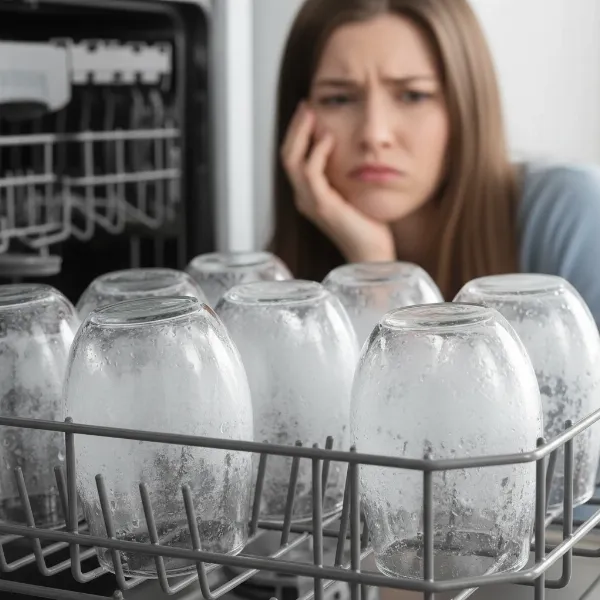 Close-up of cloudy glasses inside a dishwasher rack, showing hard water spots and potential etching, with a frustrated person in the background
Effective Strategies to Prevent Glass Etching and Hard Water Stains
Preventing cloudy glasses requires a multi-pronged approach, addressing the various factors at play in your dishwashing routine.
Optimize Detergent Use
Using the correct amount of detergent is paramount. Always follow the manufacturer’s recommendations, adjusting slightly based on your water hardness and soil level. If you have soft water or a built-in water softener, opt for a detergent specifically formulated with a glass-protecting formula, or use a smaller dose to prevent etching. Some experts also suggest that detergents containing zinc can help protect glassware. Consider using liquid or gel detergents over abrasive powders, which might be gentler on glass.
Embrace Rinse Aid
Rinse aid is a game-changer for sparkling glassware. It helps water sheet off dishes, preventing droplets from drying and leaving behind spots or film. Ensure your dishwasher’s rinse aid dispenser is always full. If your glasses are still cloudy, you might need to adjust the rinse aid dispenser setting to a higher level, if your machine allows.
Manage Water Temperature
Avoid using extremely hot wash cycles, especially if you have soft water. Water temperatures below 140°F (60°C) are generally recommended to prevent etching, with an ideal temperature often around 120°F (49°C). If your dishwasher has a “Sani Rinse” or “Hi Temp Wash” option, consider skipping it for glassware, as these settings can be too aggressive.
Load Your Dishwasher Correctly
Proper loading ensures that water and detergent can effectively reach and rinse all surfaces. Place glasses on the top rack, where the water jets are typically gentler and they are further away from the heating element. Ensure there is adequate space between each item to allow for thorough washing and rinsing, preventing water from getting trapped and residue from settling.
Adjust Pre-Rinsing Habits
Resist the urge to thoroughly pre-rinse your dishes. Modern detergents require some food particles to effectively bind with and clean away. Simply scrape off large food scraps before loading. Excessive pre-rinsing can cause the detergent to become too concentrated and aggressively attack your glassware, leading to etching.
Consider Water Softening Solutions
If you live in an area with particularly hard water, investing in a whole-house water softener can significantly reduce mineral buildup on all your appliances, including your dishwasher. Some high-end dishwashers also come with built-in water softeners. However, be mindful not to over-soften your water, as extremely soft water can exacerbate etching.
Regular Dishwasher Maintenance
A clean dishwasher is essential for clean dishes. Regularly clean your dishwasher’s filter and spray arms to remove trapped food particles and mineral buildup. Running an empty cycle with a specialized dishwasher cleaner, or placing a dishwasher-safe bowl filled with two cups of white vinegar on the bottom rack, can help remove residue and maintain efficiency.
Experiment with Cycle Settings
If you consistently experience etching, try using shorter wash cycles. A shorter cycle reduces the time glassware is exposed to hot water and detergent, potentially mitigating the etching process, especially if you’re using powerful detergents.
Utilize Additives (for Hard Water)
For hard water issues, additives like Lemi Shine or citric acid powder can be highly effective. These products are designed to counteract minerals in hard water, helping to prevent spots and film. You can add them to your dishwasher’s pre-wash compartment or directly into the wash cycle. Some users even suggest adding a splash of white vinegar to the rinse cycle, though caution should be exercised as vinegar is acidic and prolonged, direct exposure could potentially contribute to etching in very soft water conditions.
Can Cloudy Glasses Be Restored?
The answer to whether cloudy glasses can be restored depends entirely on the cause of the cloudiness.
If your glasses are cloudy due to hard water deposits, restoration is often possible. Soaking them in white vinegar or a citric acid solution for several minutes or even overnight can dissolve the mineral buildup, bringing back their sparkle. You can then gently scrub them with a sponge or microfiber cloth.
However, if the cloudiness is a result of glass etching, the damage is permanent and irreversible. Once the surface of the glass has been eroded, there is no way to restore its original clarity. In such cases, the best course of action is prevention for your remaining glassware and replacing the etched items.
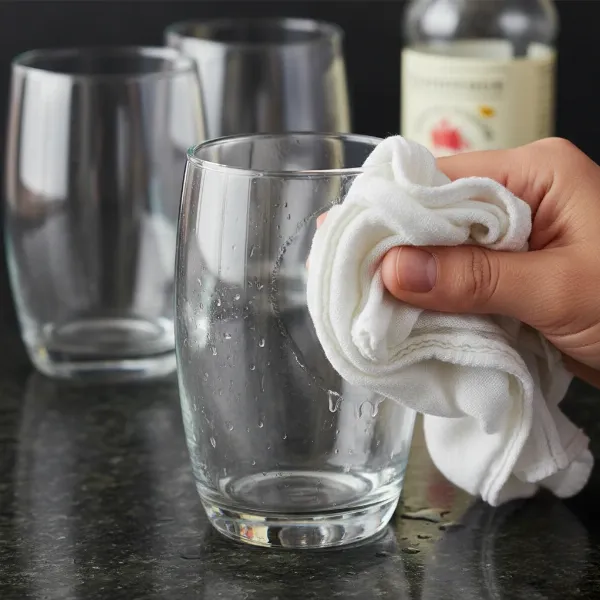 A hand wiping a cloudy glass with a vinegar-soaked cloth, showing a clear section emerging, with other cloudy glasses in the background
Conclusion
The battle against cloudy glasses in your dishwasher doesn’t have to be a losing one. By understanding the distinction between hard water deposits and permanent etching, you can effectively diagnose the problem and implement the right solutions. From optimizing your detergent and rinse aid usage to managing water temperature, loading your machine correctly, and maintaining it regularly, each step contributes to the longevity and pristine appearance of your glassware. Remember, while hard water stains can often be remedied, etching is irreversible, making proactive prevention your most powerful tool. Implement these strategies today and rediscover the joy of truly crystal-clear glasses from your dishwasher! What changes will you make to your dishwashing routine to keep your glassware sparkling?
Frequently Asked Questions
Is glass etching permanent?
Yes, glass etching is a permanent form of damage where the surface of the glass is eroded, creating tiny scratches and a hazy appearance. Once etched, the damage cannot be reversed or repaired, making prevention crucial for maintaining clear glassware.
Can vinegar fix etched glasses?
No, vinegar cannot fix etched glasses. The vinegar test helps determine if the cloudiness is from hard water deposits (which vinegar can often remove) or permanent etching. If the cloudiness remains after soaking in vinegar, it indicates etching, which is irreversible damage to the glass surface.
What is the ideal water temperature for dishwashers to prevent glass issues?
To prevent both hard water spots and etching, it’s generally recommended to use water temperatures below 140°F (60°C), with many experts suggesting an optimal temperature around 120°F (49°C). Excessively hot water can exacerbate etching by increasing the chemical reaction between detergent and glass.
How much detergent should I use to prevent cloudy glasses?
The correct amount of detergent depends on your water hardness and the soil level of your dishes. Always refer to your detergent manufacturer’s instructions. Using too much detergent, especially with soft water, can contribute to etching, while too little may not effectively clean, leading to mineral deposits.
Should I pre-rinse dishes before the dishwasher?
It is generally advised to avoid excessive pre-rinsing. Modern dishwasher detergents are designed to work with some food soil present. Simply scrape off large food particles. Too much pre-rinsing can cause the detergent to become over-concentrated and aggressively interact with your glassware, leading to etching.