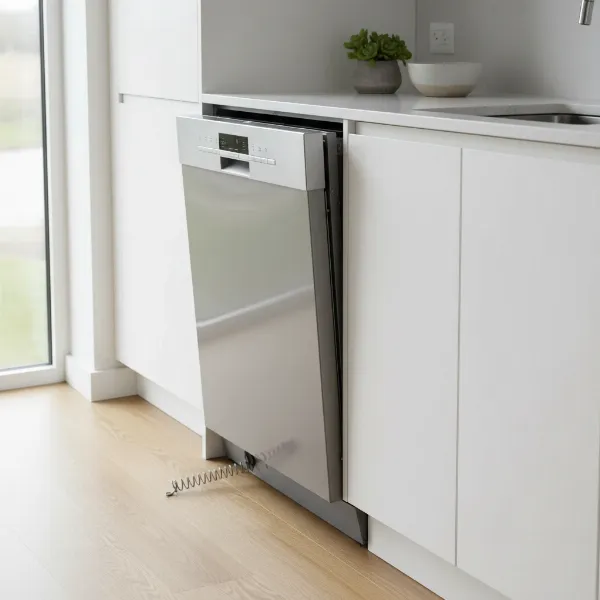
A malfunctioning dishwasher can quickly disrupt the flow of your kitchen, turning a convenient appliance into a source of frustration. When your dishwasher displays a mysterious string of letters and numbers, it’s not trying to confuse you; it’s communicating a specific issue. Understanding these error codes is the first step towards diagnosing the problem and getting your appliance back to its sparkling best. From water supply glitches to drainage woes and heating hiccups, this comprehensive guide will demystify common dishwasher error codes, offer practical troubleshooting steps, and empower you to tackle many issues yourself, saving you time and money.
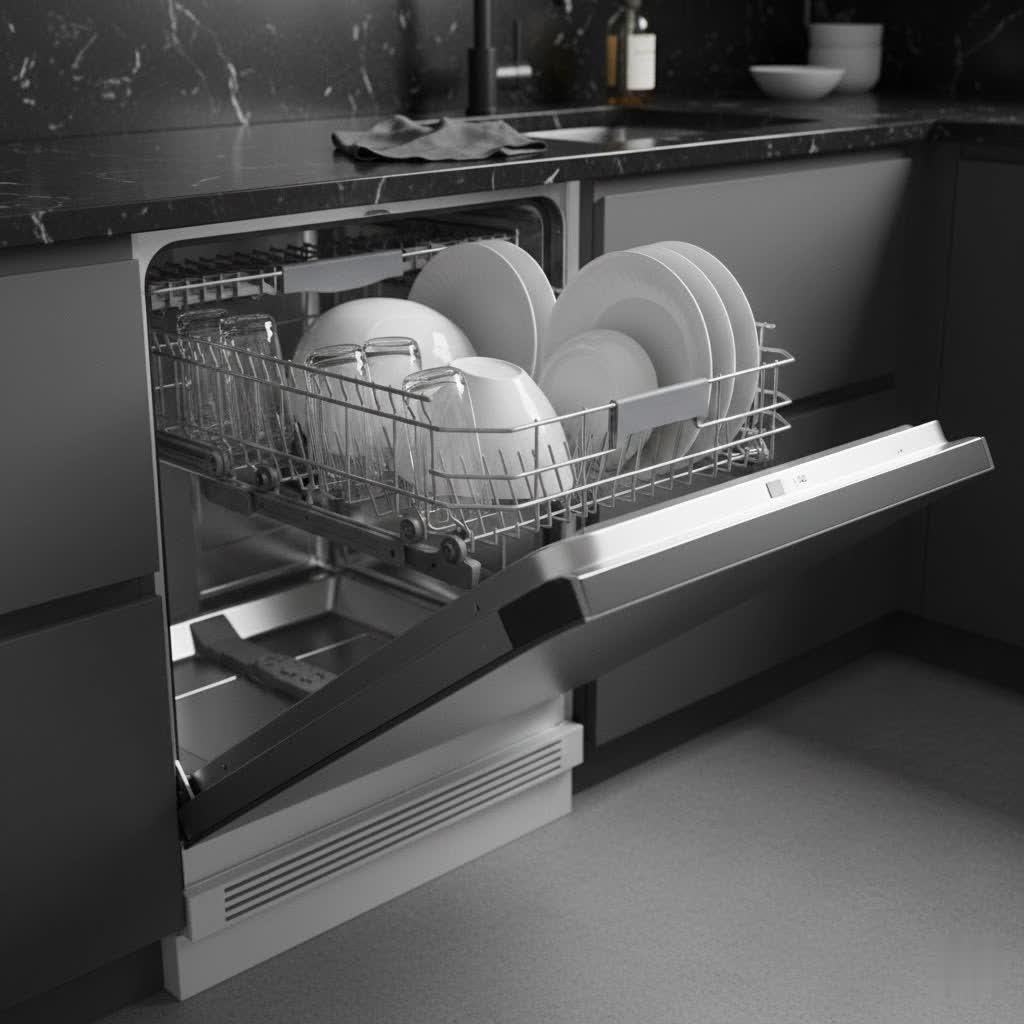
Understanding Dishwasher Error Codes: Your Appliance’s Language
Dishwasher error codes are specific signals generated by the appliance’s electronic system to indicate a particular issue or malfunction. They act as a direct line of communication, translating complex internal problems into easily identifiable messages. Whether these alerts appear as alphanumeric combinations on a digital display or through specific patterns of blinking lights, they serve as crucial diagnostic tools.
Why are these codes so important for repairs? Error codes eliminate guesswork, allowing you to pinpoint the exact nature of the problem, whether it’s a minor clog or a more significant component failure. This specificity enables focused troubleshooting, directing your attention to the malfunctioning system or part. By understanding what each code signifies, you can approach repairs with precision, potentially reducing repair time and costs. Furthermore, addressing these indicated issues promptly can prevent minor problems from escalating into more extensive damage, thereby extending your dishwasher’s lifespan and ensuring its optimal performance.
It’s vital to remember that error codes can vary significantly between brands and models. What “E1” means for one manufacturer might be “F2” for another, or even entirely different within the same brand’s product lines. Therefore, always consult your dishwasher’s owner’s manual first. This manual is your most reliable resource for accurate code interpretation and brand-specific troubleshooting steps, often providing detailed diagrams and instructions tailored to your particular appliance.
Common Dishwasher Error Codes and Their Meanings
While specific codes differ, many dishwashers categorize issues similarly. Here are some of the most frequently encountered error codes and the problems they typically indicate:
Water Supply Issues (e.g., E1, F1, E4, H2O)
When your dishwasher signals a water supply error, it generally means the appliance isn’t receiving enough water to complete its cycle. This can manifest as the wash cycle running dry or the machine struggling to fill. These codes often indicate problems with the water intake.
- Possible Causes: The most common culprits include a water supply valve that is either partially or completely closed, restricting water flow to the dishwasher. A kinked or blocked inlet hose can also impede water from entering the machine. In some cases, low household water pressure or a faulty water inlet valve within the dishwasher itself might be the root cause.
|
Our Picks for the Best Dishwasher in 2026
As an Amazon Associate I earn from qualifying purchases.
|
||
| Num | Product | Action |
|---|---|---|
| 1 | EUHOMY Countertop Dishwasher Portable with 6 Programs, 5L Built-in Water Tank for Apartments & RV, 167℉ High-Temp, No Hookup Needed, Mini Dishwasher with Baby Care, Air Dry/Quick/ECO/Fruit/Normal Mode |

|
| 2 | Cascade Platinum Plus Dishwasher Pods, Dish Detergent Soap, Clean Scent, 62 Count |
|
| 3 | COMFEE’ Countertop Dishwasher, Energy Star Portable Dishwasher, 6 Place Settings & 8 Washing Programs, Speed, Baby-Care, ECO& Glass, Dish Washer for Dorm, RV& Apartment, Black |
|
| 4 | BLUELAND 100% Plastic-Free Dishwasher Detergent Tablets, 60 Count, Free & Clear, Eco-Friendly Dishwashing Pods, Natural, USDA Certified biobased |
|
| 5 | Cascade Complete Dishwasher Detergent Liquid Gel, Dish Detergent, Dishwasher Soap, Citrus, 75oz |
|
| 6 | Cascade Complete Dishwasher Pods - Fresh Scent ActionPacs, Dishwasher Detergent, Dishwasher Soap, Detergent Pods, 78 Count |
|
| 7 | Sharp SDW6504MS Stainless Steel Dishwasher, 24-inch Pocket Handle, 52 dB, Hybrid Tub, 12 Place Settings, 5 Cycles, Heated Dry |
|
| 8 | Honeywell 18 Inch Dishwasher with 8 Place settings, 6 Washing Programs, Stainless Steel Tub, UL/Energy Star- Black |
|
| 9 | Kenmore 24" Premium Hybrid Tub Dishwasher - UltraWash, MoreSpace Adjustable Rack, High Temp & SmartWash - 12 Place Settings - 54 DBA - ENERGY STAR Certified - Fingerprint Resistant Stainless Steel |
|
| 10 | COMFEE’ Portable Mini Dishwasher, Energy Star, Countertop, 6 Place Settings, with 8 Washing Programs, Speed, Baby-Care, ECO& Glass, Dish Washer for Dorm, RV& Apartment, White |
|
Drainage Problems (e.g., E2, F2, i20, C3)
A drainage error code signals that your dishwasher is having trouble expelling water. This can result in standing water at the bottom of the tub after a cycle or the appliance failing to drain entirely. Effective drainage is crucial for hygienic cleaning and preventing overflow.
- Possible Causes: The most frequent cause is a clogged filter or sump area, where food particles accumulate and block the drainage path. A kinked or blocked drain hose can also restrict water exit. If your dishwasher is connected to a garbage disposal, a blockage within the disposal unit or an unremoved knockout plug can prevent proper drainage. Lastly, a malfunctioning drain pump can also lead to these errors.
Heating Element Malfunctions (e.g., E3, F3, HE)
Heating errors mean your dishwasher is unable to heat the water to the temperature required for effective cleaning and sanitization. This often leads to dishes that aren’t thoroughly clean or dry, along with the potential for bacteria growth. Proper water temperature is essential for detergent activation.
- Possible Causes: A faulty heating element is a primary suspect when the water isn’t getting hot. Similarly, a malfunctioning thermostat or temperature sensor can prevent the dishwasher from accurately reading or regulating water temperature. In some instances, inadequate hot water supply to your kitchen faucet, meaning the dishwasher receives cold water, could also trigger this error.
Leakage and Overflow Detection (e.g., E4, E5, F5, E15, LEAK DETECTED)
These codes are critical safety warnings, indicating that water has been detected where it shouldn’t be, or that the water level inside the appliance is excessive. Ignoring these can lead to significant water damage to your kitchen and potentially electrical hazards.
- Possible Causes: Worn, damaged, or poorly sealed door seals and gaskets are common reasons for external leaks. Internally, a faulty float switch, which is designed to detect high water levels and shut off the water supply, can cause the dishwasher to overfill. Additionally, excessive suds from too much detergent or inappropriate detergent can sometimes trigger overflow sensors.
Door Latch and Sensor Problems (e.g., E6, F6, CL/Cd)
Door-related error codes indicate that the dishwasher’s door is not securely closed or that a sensor associated with the door is malfunctioning. For safety and operational reasons, dishwashers typically will not start or will pause a cycle if the door isn’t properly latched.
- Possible Causes: Simple obstructions preventing the door from closing completely are often the culprit. A misaligned or damaged door latch mechanism can also prevent a secure seal. In more complex cases, a faulty door sensor might incorrectly signal that the door is open even when it’s shut, or fail to register the door’s closed position.
General System or Power Issues (e.g., PF, PrS, various E0x codes)
Some error codes point to broader system-level problems that aren’t tied to a single mechanical function. These can be related to power, control board communication, or internal sensor faults that don’t fit neatly into other categories. These errors often require a system reset.
- Possible Causes: A power failure or an inconsistent power supply to the appliance can trigger “PF” (Power Failure) codes. Loose electrical connections might lead to intermittent issues. More complex alphanumeric codes (like some E0x series) can indicate internal sensor failures, issues with the main control board, or other electronic communication errors within the dishwasher’s system.
Step-by-Step Troubleshooting for Common Dishwasher Errors
Before calling a professional, many common dishwasher error codes can be resolved with a few simple troubleshooting steps. Always remember to disconnect power to your dishwasher before performing any inspections or repairs to ensure your safety.
Initial Assessment and Reset
The first course of action for any error code is often a basic reset, which can clear temporary glitches.
- Power Cycle the Dishwasher: Turn off your dishwasher at the circuit breaker for about 30 seconds to 5 minutes, then restore power. This can often reset the control panel and clear minor errors.
- Check for Obvious External Issues: Before restarting, quickly inspect the area around the dishwasher. Look for visible water leaks, kinks in the water inlet or drain hoses, or any obvious obstructions.
Addressing Water Supply Issues
If your dishwasher displays an error related to water intake (e.g., E1, F1, E4, H2O):
- Verify Water Valve is Fully Open: Locate the water shut-off valve for your dishwasher (usually under the sink or behind the appliance) and ensure it’s completely open.
- Inspect Inlet Hose for Kinks or Blockages: Carefully pull the dishwasher out and examine the water inlet hose for any bends, kinks, or blockages that could restrict water flow. Straighten any kinks and clear any visible obstructions.
- Check Household Water Pressure: If other faucets in your home also have low pressure, the issue might be with your main household water supply, not just the dishwasher.
Resolving Drainage Problems
For drainage-related errors (e.g., E2, F2, i20, C3):
- Clean Dishwasher Filters and Sump Area: The filter and sump (located at the bottom of the dishwasher tub) are prone to collecting food particles. Remove and thoroughly clean these components according to your owner’s manual.
- Check and Clear the Drain Hose: The drain hose, typically connected to your sink’s plumbing or a garbage disposal, can become clogged. Disconnect it and check for any blockages. If connected to a garbage disposal, ensure the knockout plug was removed during installation.
- Inspect the Drain Pump for Debris: While often requiring more effort to access, debris like broken glass or food can sometimes block the drain pump impeller. If comfortable, carefully inspect the pump area after ensuring power is completely off.
Fixing Heating Problems
If your dishwasher is indicating a heating element malfunction (e.g., E3, F3, HE):
- Ensure Hot Water Supply to the Kitchen Faucet: Run the hot water faucet in your kitchen sink for a minute or two before starting the dishwasher. This purges any cold water from the lines, ensuring the dishwasher receives hot water from the outset.
- Consider Testing the Heating Element: For those with electrical expertise, a multimeter can be used to test the continuity of the heating element. A lack of continuity indicates a faulty element that needs replacement. However, this task often warrants professional help due to safety considerations.
Managing Leaks and Overflows
For codes signaling leaks or excessive water (e.g., E4, E5, F5, E15, LEAK DETECTED):
- Inspect Door Seals and Gaskets: Examine the rubber seals around the dishwasher door for any cracks, tears, or debris that might be preventing a tight seal. Clean or replace them if damaged.
- Clean or Test the Float Switch: The float switch, usually a small plastic cap located at the bottom of the tub, rises with the water level. Ensure it’s not stuck and moves freely. A malfunctioning switch may need replacement.
- Review Detergent Usage: Using too much detergent or the wrong type can create excessive suds, leading to overflow detection. Always use high-efficiency dishwasher detergent in the recommended amount.
Troubleshooting Door Latch Issues
If your dishwasher displays an error related to the door (e.g., E6, F6, CL/Cd):
- Check for Obstructions: Ensure no dishes, cutlery, or other items are blocking the door from closing completely.
- Inspect and Adjust the Door Latch Mechanism: Examine the latch for any visible damage or misalignment. Sometimes, a slight adjustment can fix the issue.
When to Call a Professional Dishwasher Repair Service
While many common issues can be resolved with DIY troubleshooting, some situations necessitate the expertise of a professional appliance technician. Knowing when to call for help can prevent further damage and ensure your safety.
- Persistent Errors After DIY Troubleshooting: If an error code continues to appear despite your best efforts to troubleshoot, it often indicates a deeper, more complex problem that requires specialized tools and diagnostic knowledge.
- Complex Electrical or Mechanical Faults: Issues involving the dishwasher’s main control board, complex wiring, motors, or pumps typically require professional intervention. These components are intricate and attempting to fix them without proper training can lead to further damage or safety risks.
- Safety Concerns: Any issue involving potential electrical shock or significant water leakage should prompt an immediate call to a professional. Appliance repair involves working with electricity and water, which can be dangerous if not handled correctly.
- Appliance is Under Warranty: If your dishwasher is still under warranty, attempting DIY repairs might void it. Always check your warranty terms before undertaking any significant fixes yourself.
- Lack of Specialized Tools or Expertise: Some repairs require specific tools or a level of technical knowledge that most homeowners don’t possess. If you’re uncomfortable or unsure about any step of the repair process, it’s always safer to consult an expert.
Preventing Future Dishwasher Error Codes
Proactive maintenance and mindful usage are your best defense against recurring dishwasher error codes. A little preventative care can go a long way in ensuring your appliance runs smoothly for years to come.
- Regular Cleaning of Filters and Spray Arms: Make it a habit to clean your dishwasher’s filters monthly to prevent clogs that lead to drainage issues and poor washing performance. Periodically remove and clean the spray arms as well, ensuring all holes are clear for optimal water distribution.
- Proper Loading Practices: Avoid overloading your dishwasher, as this can impede water circulation and detergent distribution, leading to ineffective cleaning and potential stress on the motor and pump. Always scrape large food particles off dishes before loading them, preventing them from clogging the system.
- Using Appropriate Detergent and Rinse Aid: Always use high-quality dishwasher detergent specifically designed for automatic dishwashers. Using too much detergent or the wrong type (like dish soap) can cause excessive suds, leading to overflow errors or poor rinsing. Ensure your rinse aid dispenser is refilled regularly for spotless drying.
- Periodic Inspection of Hoses and Seals: Annually check the water inlet and drain hoses for kinks, cracks, or signs of wear. Inspect the door seals and gaskets every few months to ensure they are clean and intact, maintaining a watertight seal.
- Running Appliance Cleaner Cycles: Consider running a dishwasher cleaning cycle using a specialized dishwasher cleaner or a mixture of white vinegar and baking soda once every few months. This helps remove mineral buildup, grease, and grime that can affect performance and trigger errors.
Conclusion
Understanding dishwasher error codes is a valuable skill for any homeowner. While these seemingly cryptic messages can be initially alarming, they are actually your appliance’s way of guiding you toward a solution. By familiarizing yourself with common codes related to water supply, drainage, heating, and leaks, and by following systematic troubleshooting steps, you can confidently resolve many issues on your own. Remember to always consult your owner’s manual for specific code interpretations and to prioritize safety by disconnecting power before performing any inspections. Regular maintenance is key to preventing these issues from arising in the first place, ensuring your dishwasher continues to deliver sparkling clean dishes efficiently.
Don’t let a flashing error code ruin your day. With a little knowledge and proactive care, you can keep your dishwasher running smoothly. What’s the most unusual dishwasher error you’ve ever encountered and how did you resolve it?
Frequently Asked Questions
What should I do first when my dishwasher displays an error code?
Your first step should always be to power cycle the dishwasher by turning off the circuit breaker for a few minutes, then restoring power. If the error persists, consult your owner’s manual for the specific code’s meaning and recommended troubleshooting steps for your model.
Why is there standing water in my dishwasher after a cycle?
Standing water typically indicates a drainage issue. Common causes include a clogged filter, a blocked or kinked drain hose, an obstruction in the garbage disposal connection (if applicable), or a faulty drain pump. Start by cleaning the filter and checking the hoses for blockages.
Can I fix a dishwasher leak myself?
Minor leaks, often indicated by an overflow error or visible puddles, can sometimes be fixed by checking and cleaning the door seals or ensuring the float switch isn’t stuck. However, if the leak is significant, persistent, or originates from an unknown internal component, it’s best to call a professional.
How often should I clean my dishwasher’s filter?
It is generally recommended to clean your dishwasher’s filter monthly. Regular cleaning prevents the buildup of food particles and debris, which can lead to drainage problems, poor cleaning performance, and trigger error codes over time.
When is it necessary to call a professional for a dishwasher error?
You should call a professional if the error code persists after basic troubleshooting, if the problem involves complex electrical or mechanical components, if you have safety concerns (like potential electrical shock or significant water damage), or if your appliance is still under warranty.